Inside the machines
What our machines are made of, how the cold and warm sides are built, which marks a machine carries before it is allowed on sale, and what we test when a design changes.
Steel where it is touched, plastic where it is not
Every machine here is a metal frame, a sealed refrigeration loop or a heating element, and a shell. The shell is the part a buyer can see and judge, and it is the part that decides whether a machine still looks like itself after five years in a kitchen.
Stainless and coated steel
The panels you touch on the ice makers, the coolers and the grills are steel: brushed stainless on the front faces, powder-coated steel on the wrap. Steel is here because it is stiff enough to keep a door seal square for years, and because a fingerprint wipes off it.
Food-contact plastics and seals
Everything that meets water or ice is a food-contact plastic: reservoirs, ice baskets, scoops, the augers in the nugget machines. They have to survive a self-clean cycle several hundred times without going brittle, and that is the whole of the specification.
Tempered glass and porcelain enamel
Cooler doors are double-tempered glass so a warm kitchen does not fog the shelf you are looking at. Grill grates are porcelain-enamelled cast iron, because enamel is what stops a grate rusting in a season on a patio.
One sealed loop, four jobs
A compressor, a condenser, an expansion path and an evaporator. That is the whole of an ice maker, a beverage cooler, a freezer and an air conditioner, and the differences between them are differences of where the four parts sit and how hard they are asked to work.
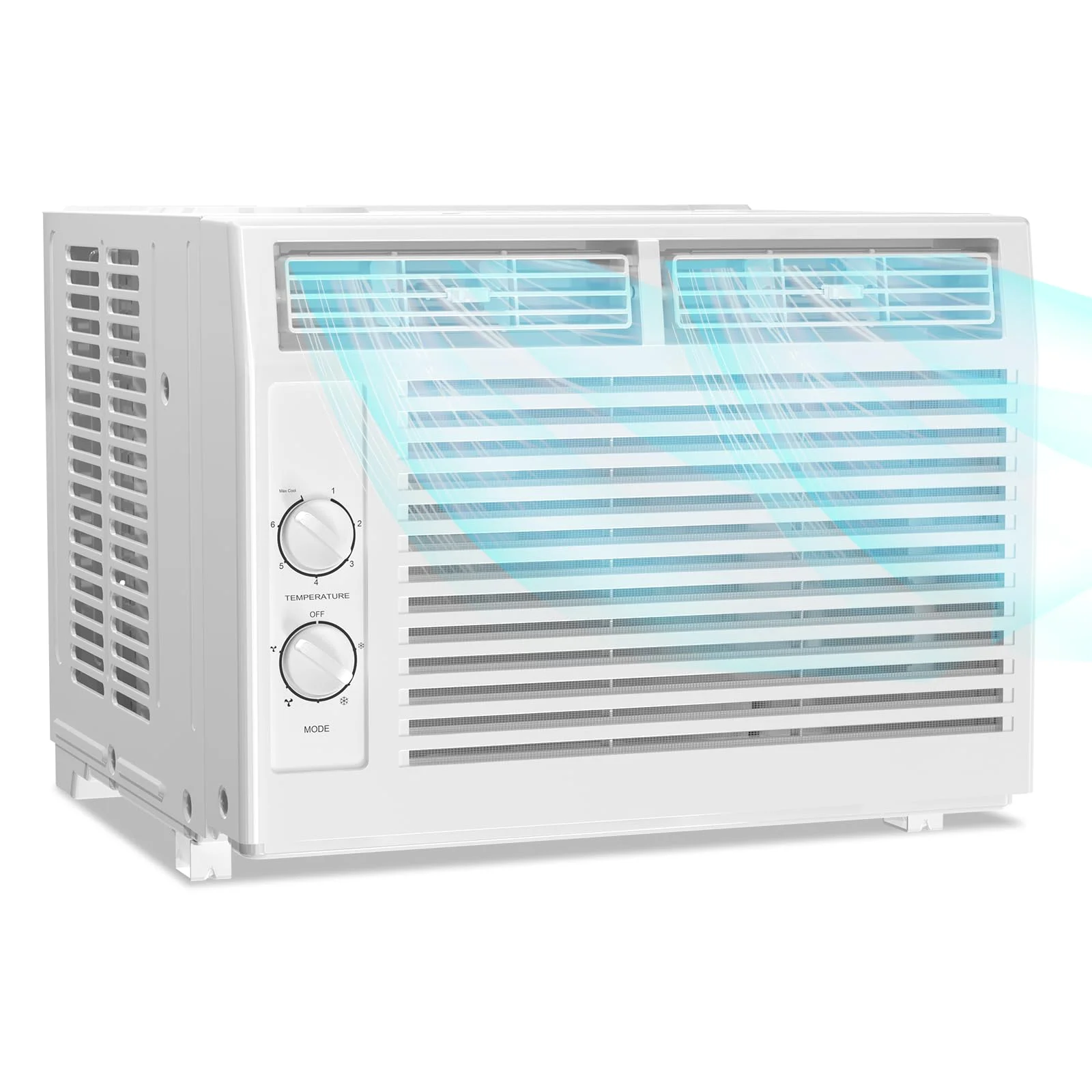
An ice maker asks its evaporator to go well below freezing in short bursts and then to warm up enough to release the ice. A beverage cooler asks for a steady 4 to 12 degrees Celsius and never wants to freeze anything. A chest freezer holds minus 18 and colder, and one of ours reaches minus 40. An air conditioner does the same job as all three but throws the heat outside instead of into your kitchen.
The design work is mostly in the parts that are not the loop: door seals that stay square, hinges that survive being opened four times an evening, insulation thick enough that the compressor is not running all night, and a defrost strategy that suits how the machine is used.
Elements, burners and the ceiling on both
Indoors everything runs on an element and is limited by the circuit it plugs into. Outdoors everything runs on propane and is limited by the regulator. Neither limit is negotiable, and both are useful for comparing machines honestly.
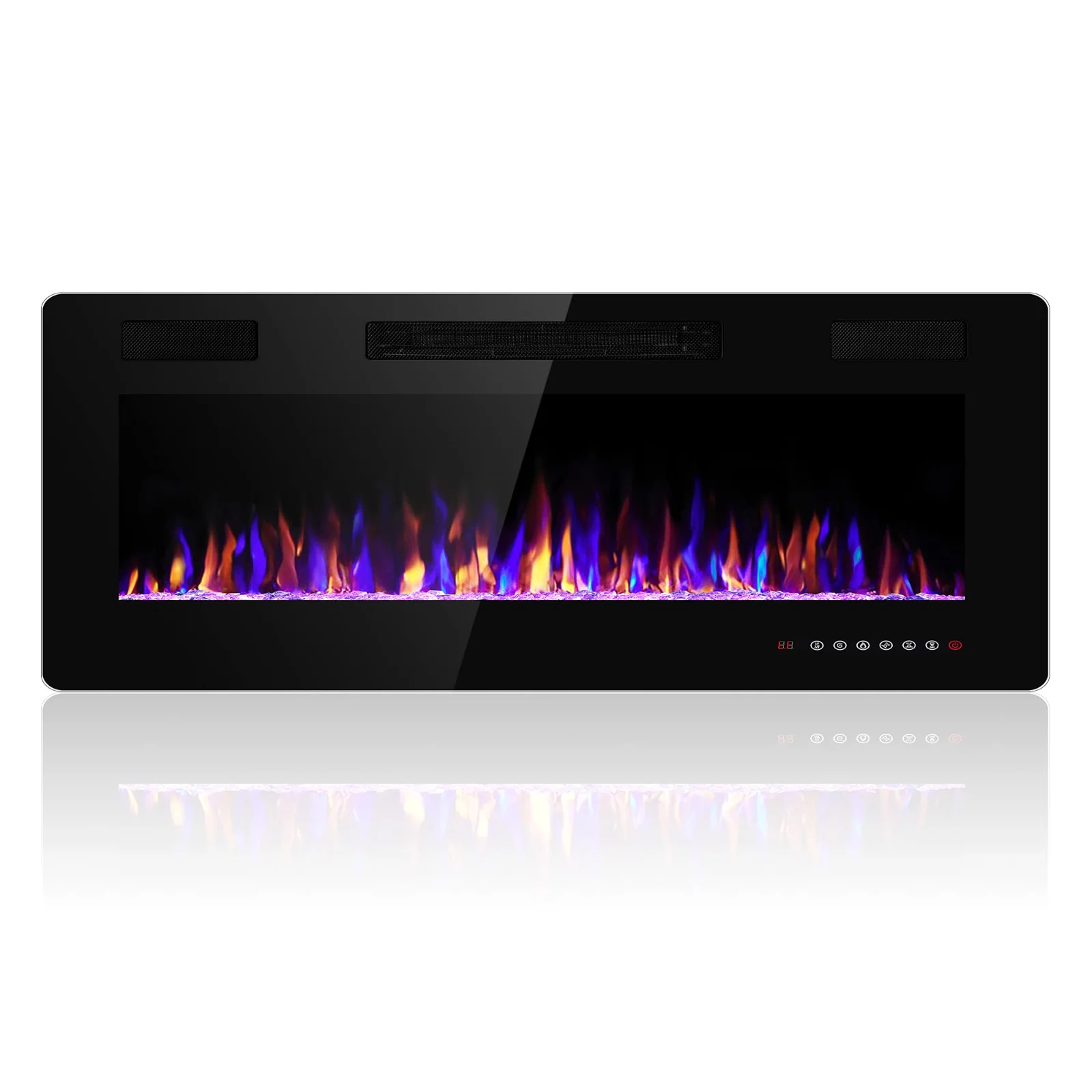
A standard household circuit gives a plug-in machine about 1,500 watts to work with, which is roughly 5,100 BTU per hour. Every electric fireplace, fireplace stove and space heater we build sits at or under that line, and the flame effect in a fireplace runs separately from the element so it can be used with no heat at all.
Outdoors a propane fire pit runs at 40,000 to 50,000 BTU and a four burner grill at a similar figure spread across the grate. The number that decides how a grill actually cooks is not the total but the heat per square inch of grate, so the cooking area goes on the card alongside it.
What a household machine has to carry
None of these are our marks. They belong to the bodies that issue them, and each covers a class of machine rather than a brand. Which of them applies to a particular unit is printed on its rating plate and repeated in its manual.
| Mark | What it covers | Where it applies |
|---|---|---|
| ETL / UL listing | Electrical safety testing against the North American standard for the product class | Any household machine sold with a plug on it |
| CSA certification | Gas appliance safety, including burner assemblies and regulators | Propane appliances: fire pits, grills, griddles |
| FCC Part 15 | Radio interference limits for anything with electronic control | Digital panels, remote controls, wireless parts |
| ENERGY STAR | Voluntary efficiency criteria, verified by a third party | Models submitted and qualified in the class |
| DOE efficiency standard | Federal minimum energy performance, mandatory rather than optional | Refrigerators, freezers, room air conditioners, dehumidifiers |
| Prop 65 notice | Californian disclosure requirement, printed on the machine and its packaging | Wherever the Californian rule reaches |
Each of these covers the unit as it was built and tested. Installation, wiring and the socket it plugs into fall outside all of them.
The tests that decide whether a change ships
A change to a shell, a seal, a control board or a fan blade is not a small thing on a machine that runs for years. Every one of them goes through the same four checks before it reaches a kitchen.
Rated output, verified
A machine that claims 26 lbs of ice a day or 8,000 BTU is measured against that claim under the standard conditions the rating assumes, and again in a deliberately warm room.
Continuous run
Cold machines are run for days without a stop, because a door seal, a fan bearing and a compressor mount all fail slowly rather than suddenly.
Noise at the settings people use
Measured on the lowest fan setting as well as the highest, because a bedroom fan and a bedroom cooler are judged at two in the morning.
Protection circuits
Tip-over and overheat cutouts on anything with an element, low water and overflow sensors on anything with a reservoir.
Ratings such as pounds per day and BTU per hour are measured under standard conditions. Warm inlet water, a warm room or a window that does not seal will each pull a real result below a rated one, so a rating is a ceiling rather than a promise.
Care, in the order it matters
Four habits keep every machine in this catalogue working, and between them they cover most of what goes wrong.
Descale anything that boils or freezes water
Give the condenser air
Empty what holds water
Check hoses and seals at the start of the season
The three journal pieces go further into each half of the range: sizing an ice maker, sizing a cooling machine and choosing between the warm machines. Between them they cover both halves of the ELECTACTIC range, cold and warm.
