
Ice

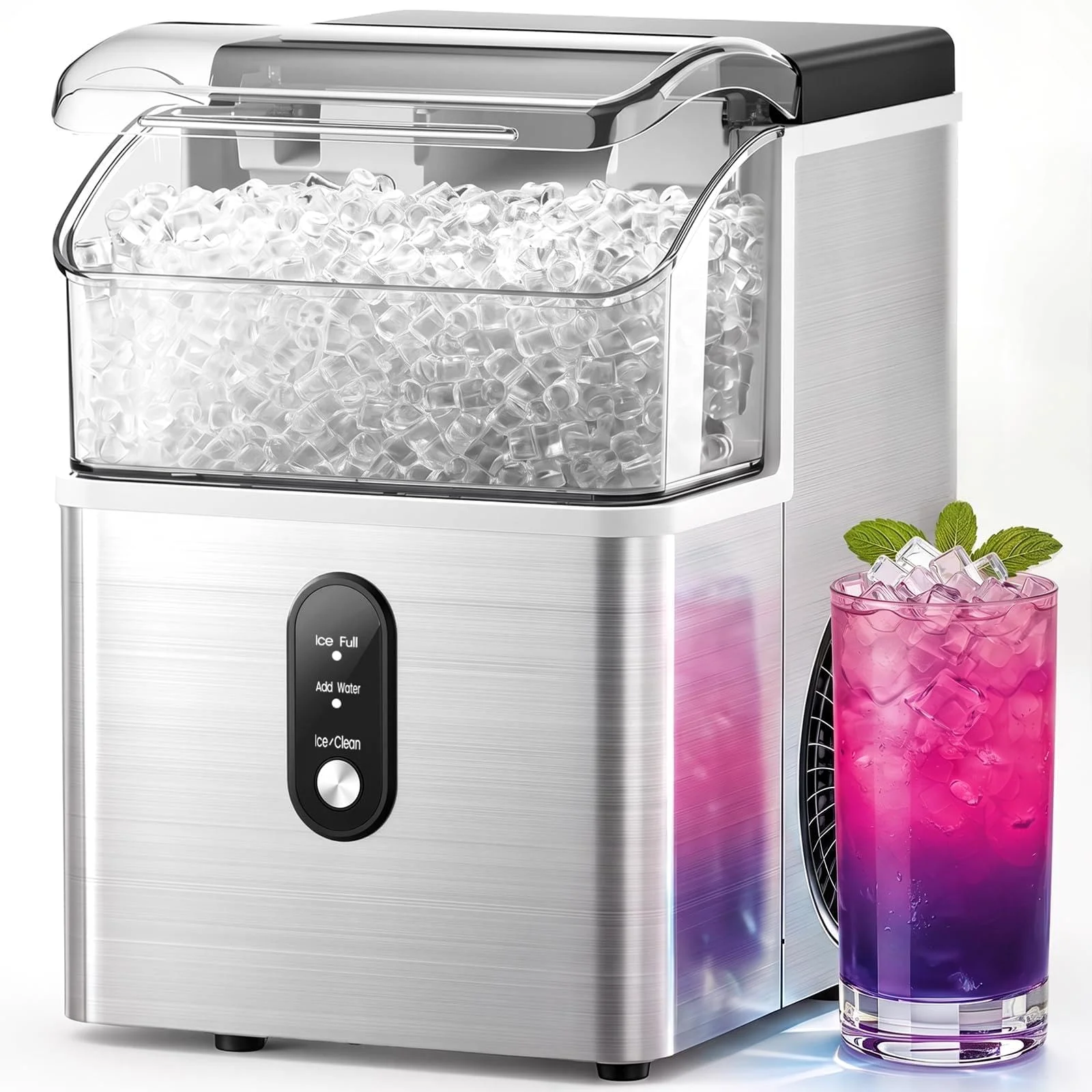
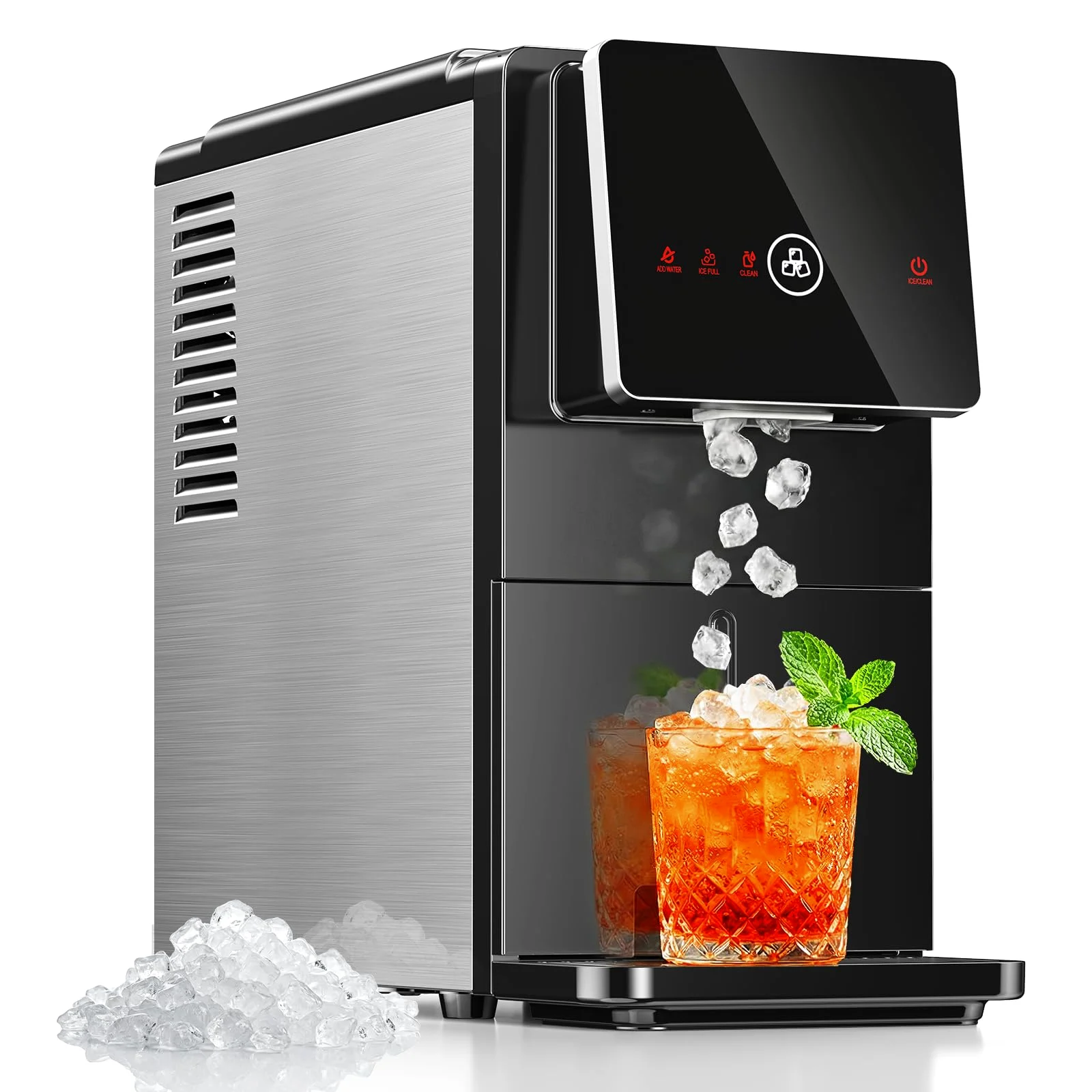
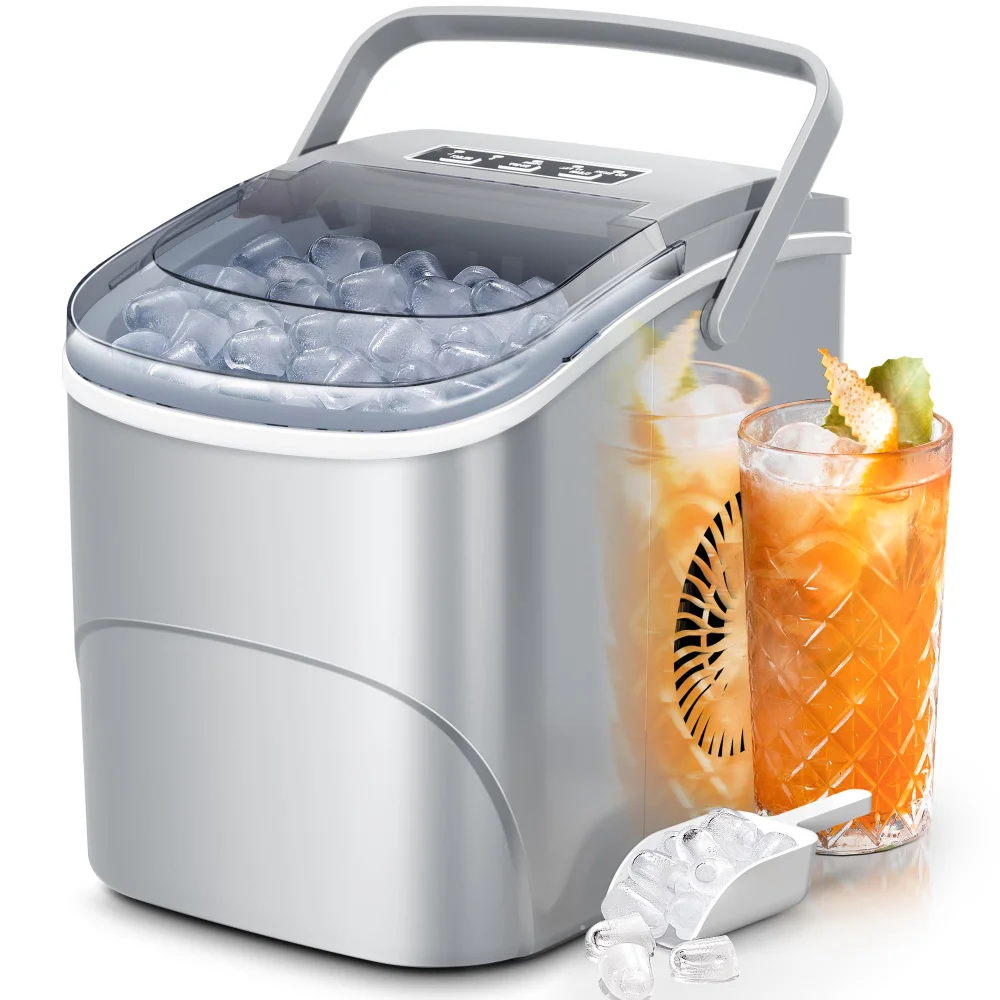
Nugget Ice Maker, 35 lbs/24h, Stainless Steel
35 lbs/24hStainless Steel
$183.544.3(2,704)
Ice makers, beverage coolers, compact fridges and freezers, air conditioners and fans at one end. Espresso machines, fireplaces, heaters, griddles and grills at the other. Every one of them is sold on a number, and we print the number on the card.
A household machine is only ever sold on one figure. An ice maker is pounds a day, an air conditioner is BTU, a fridge is cubic feet, an espresso machine is bar. We built the catalogue around that idea: ten shelves, each read in its own unit, running from the coldest thing we make to the hottest.
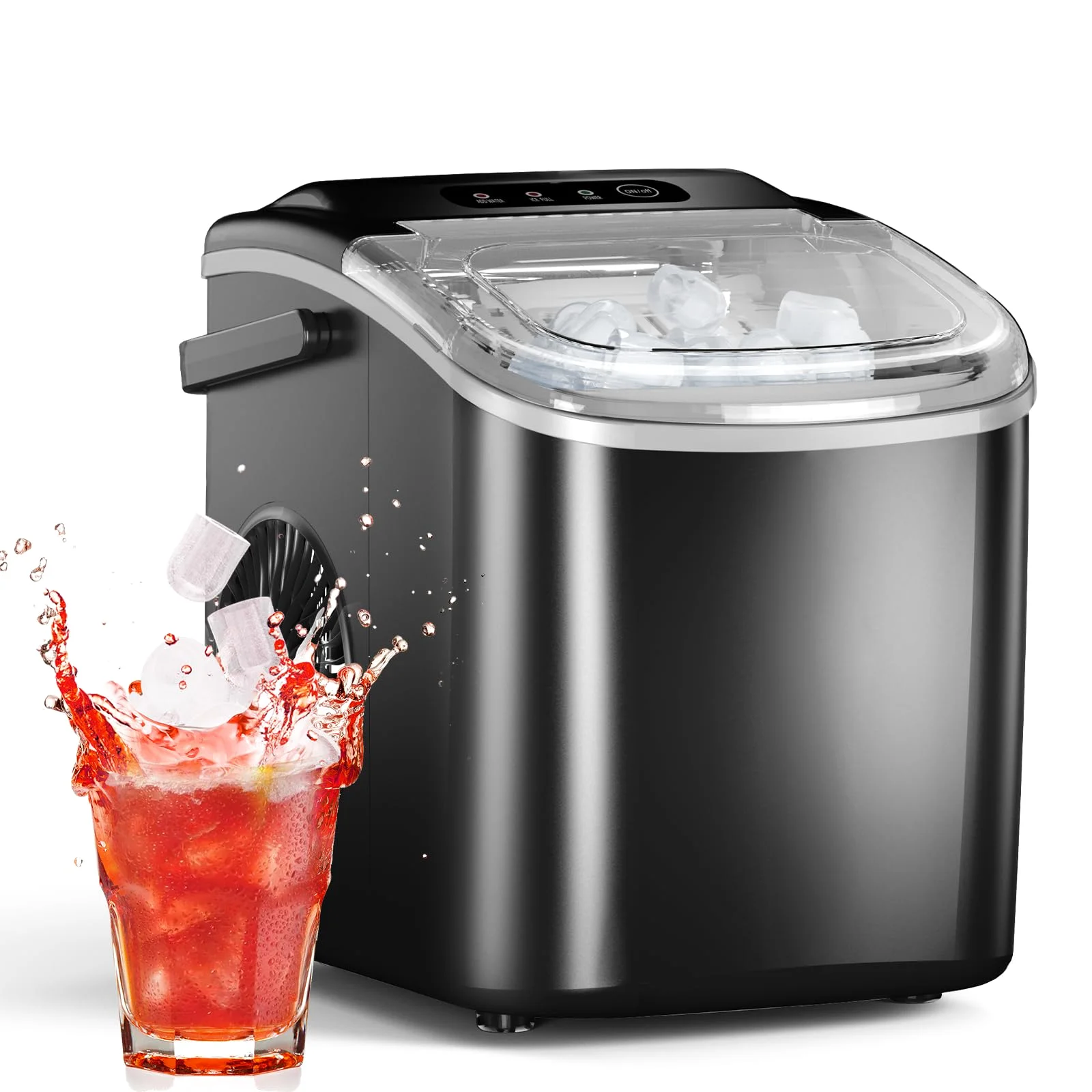
Five kinds of ice and one honest way to read the rating on the box. A countertop machine has no freezer in it, so the figure is a rate rather than a store: 26 pounds a day is a little over a pound an hour, and a tall glass takes about half a pound.
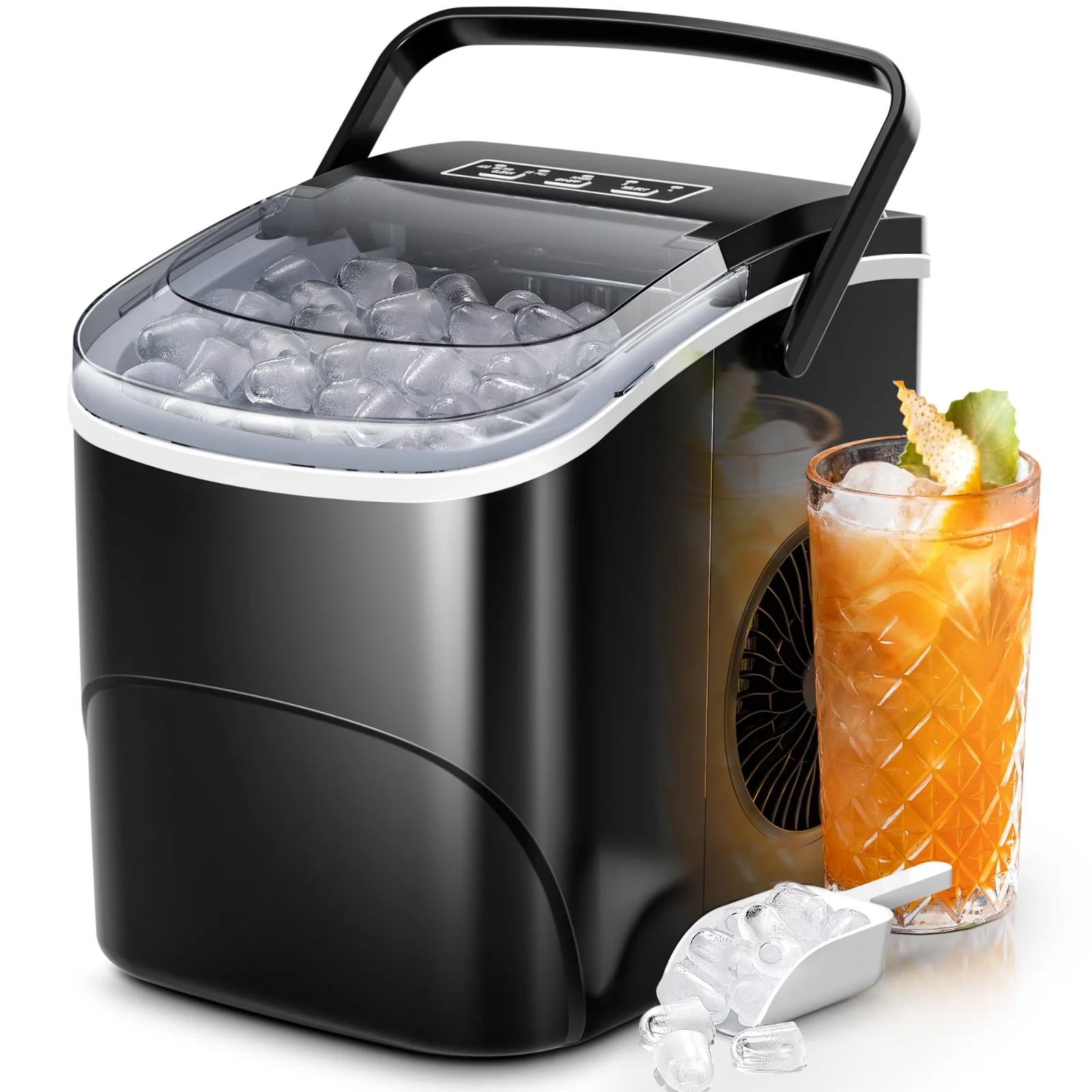
The machine most people mean when they say they want an ice maker: bullet pieces in six minutes, a full basket in the afternoon, and a self-clean cycle that runs on a button.
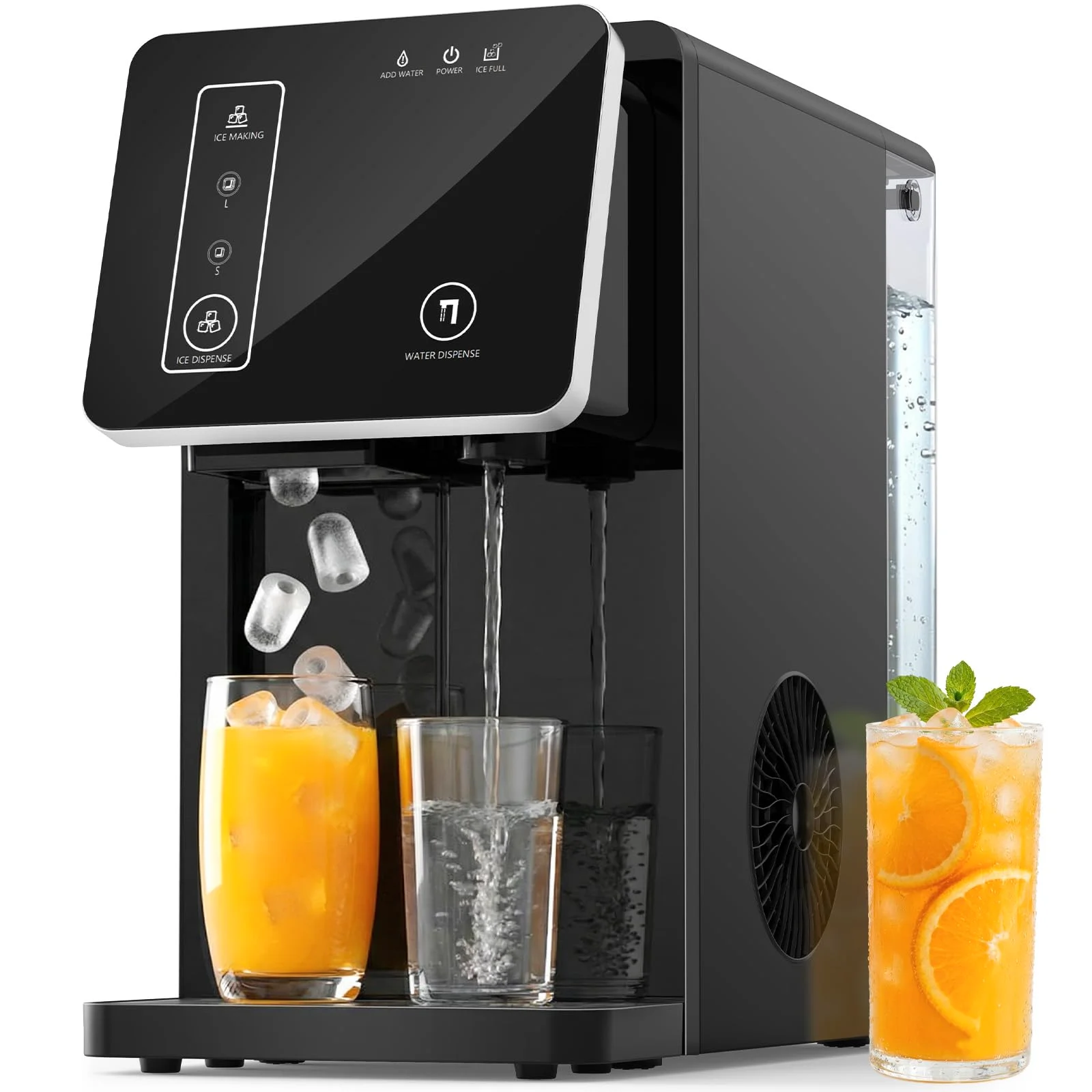
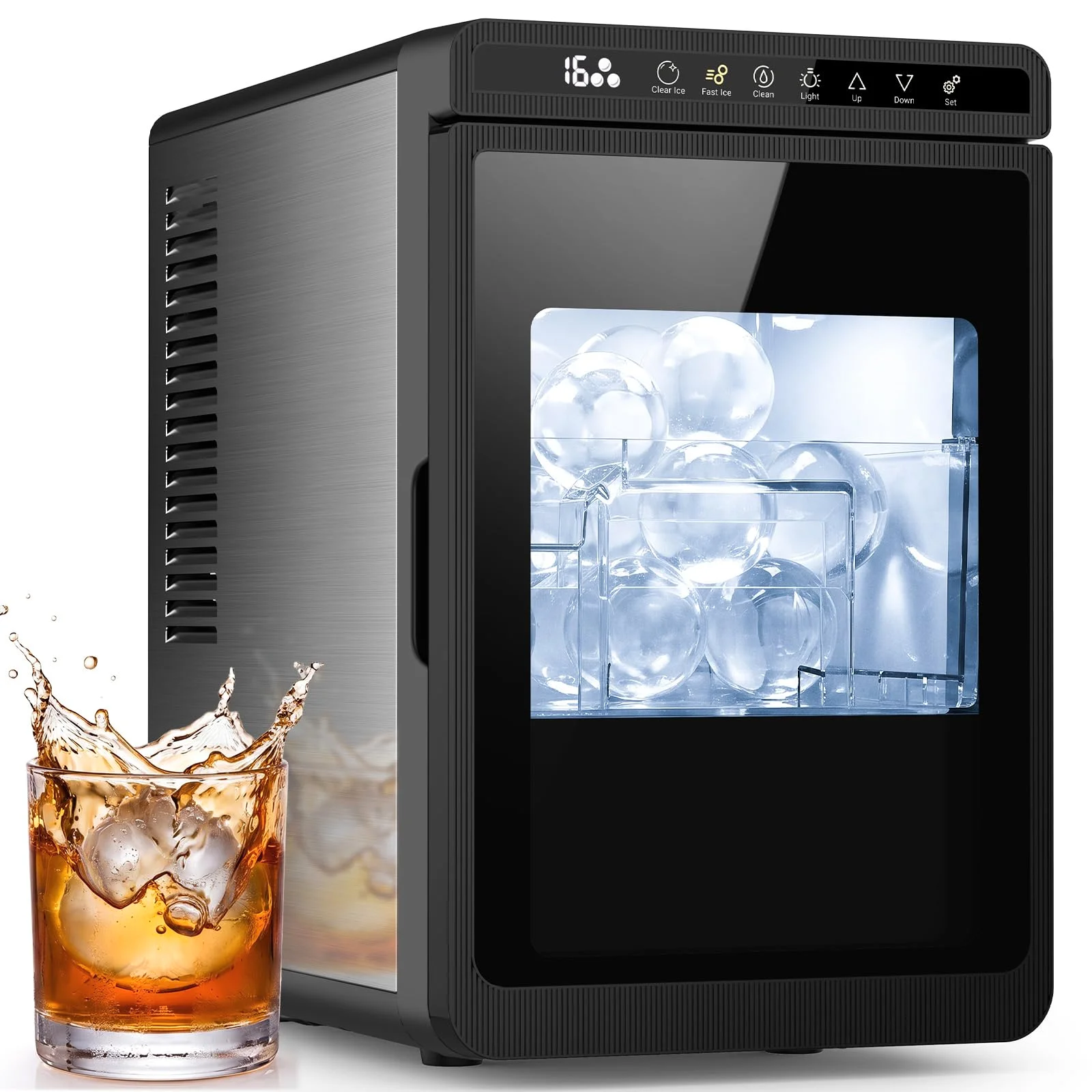
A countertop beside the fridge, a garage bar, a bedroom wall, a patio in October. These are the places the range actually ends up.
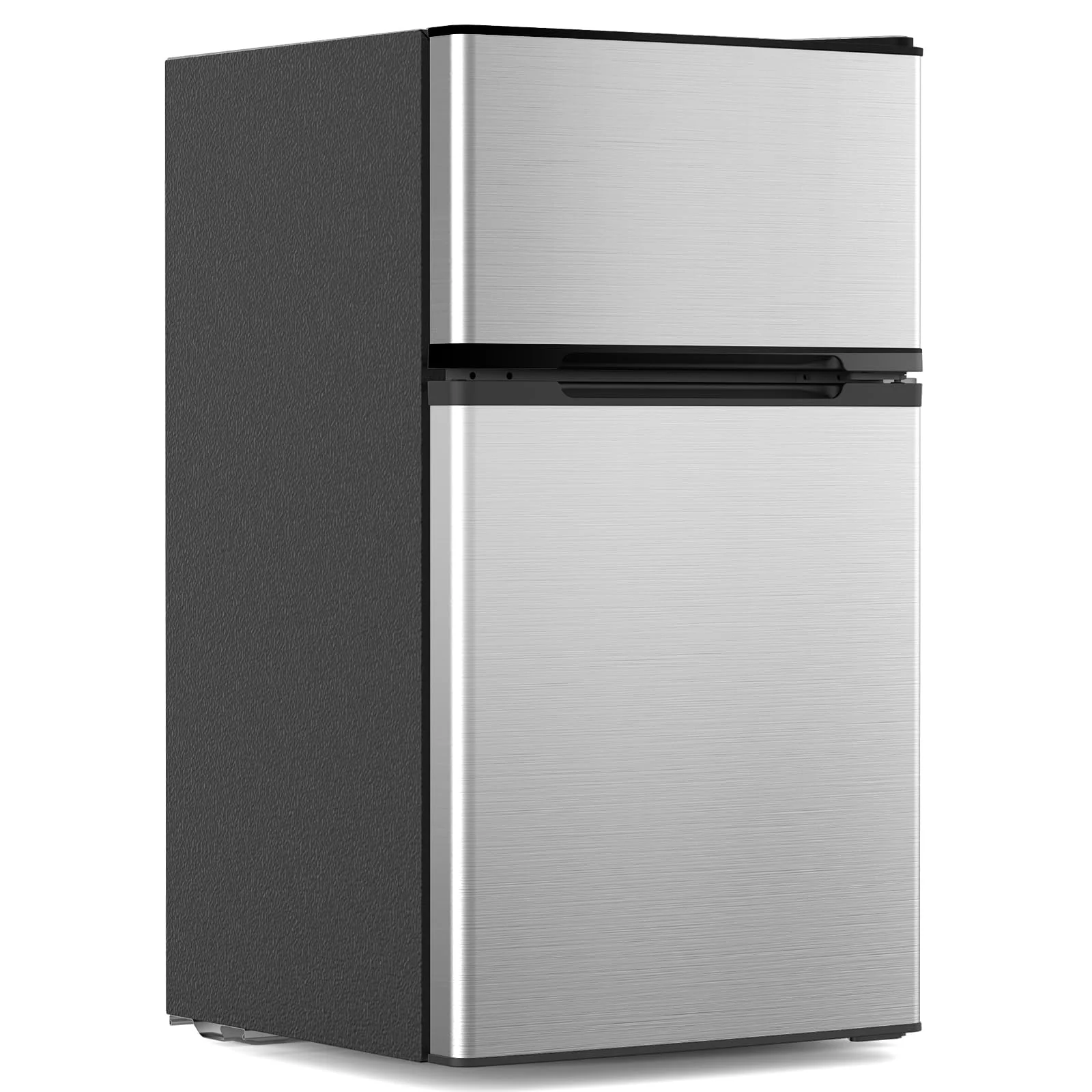
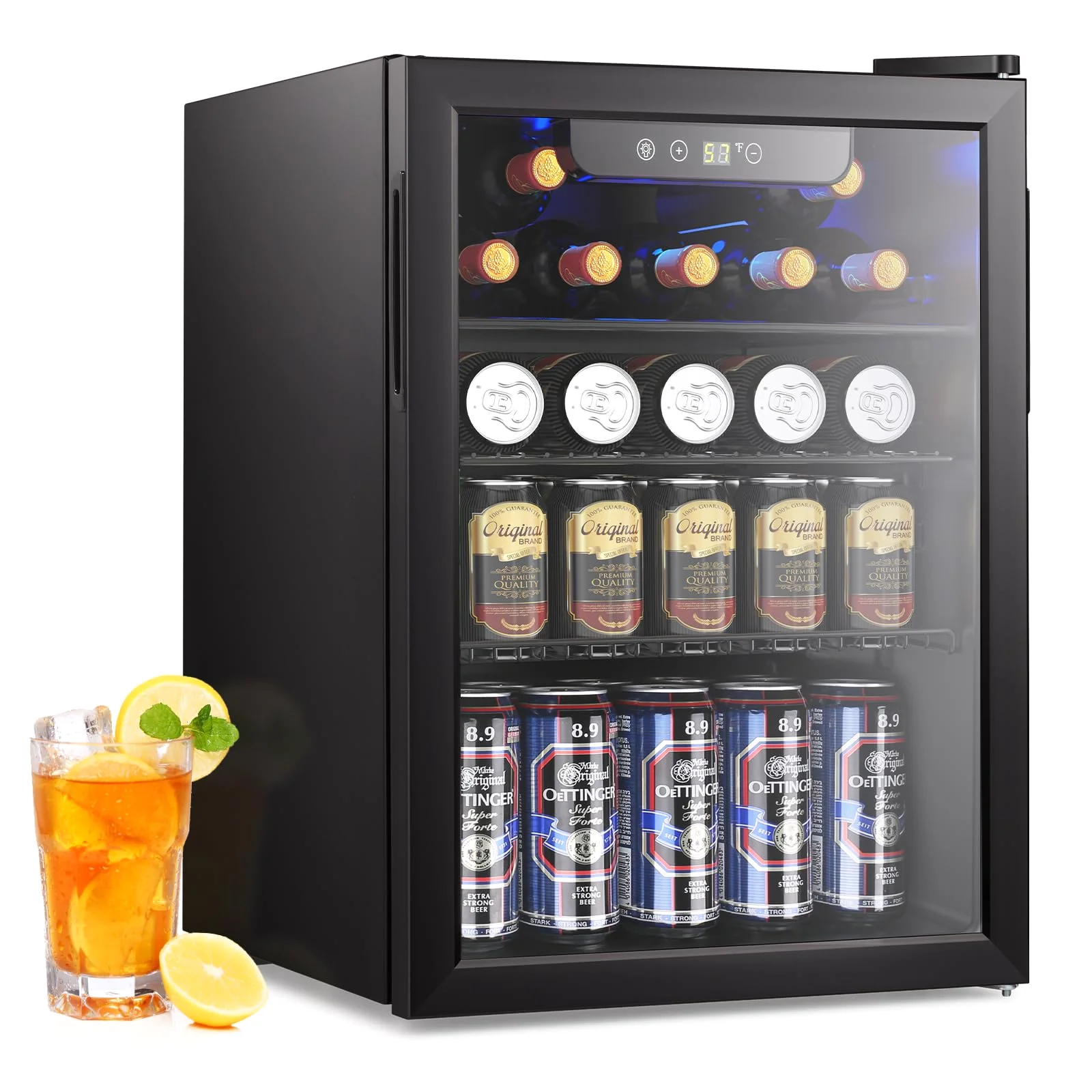
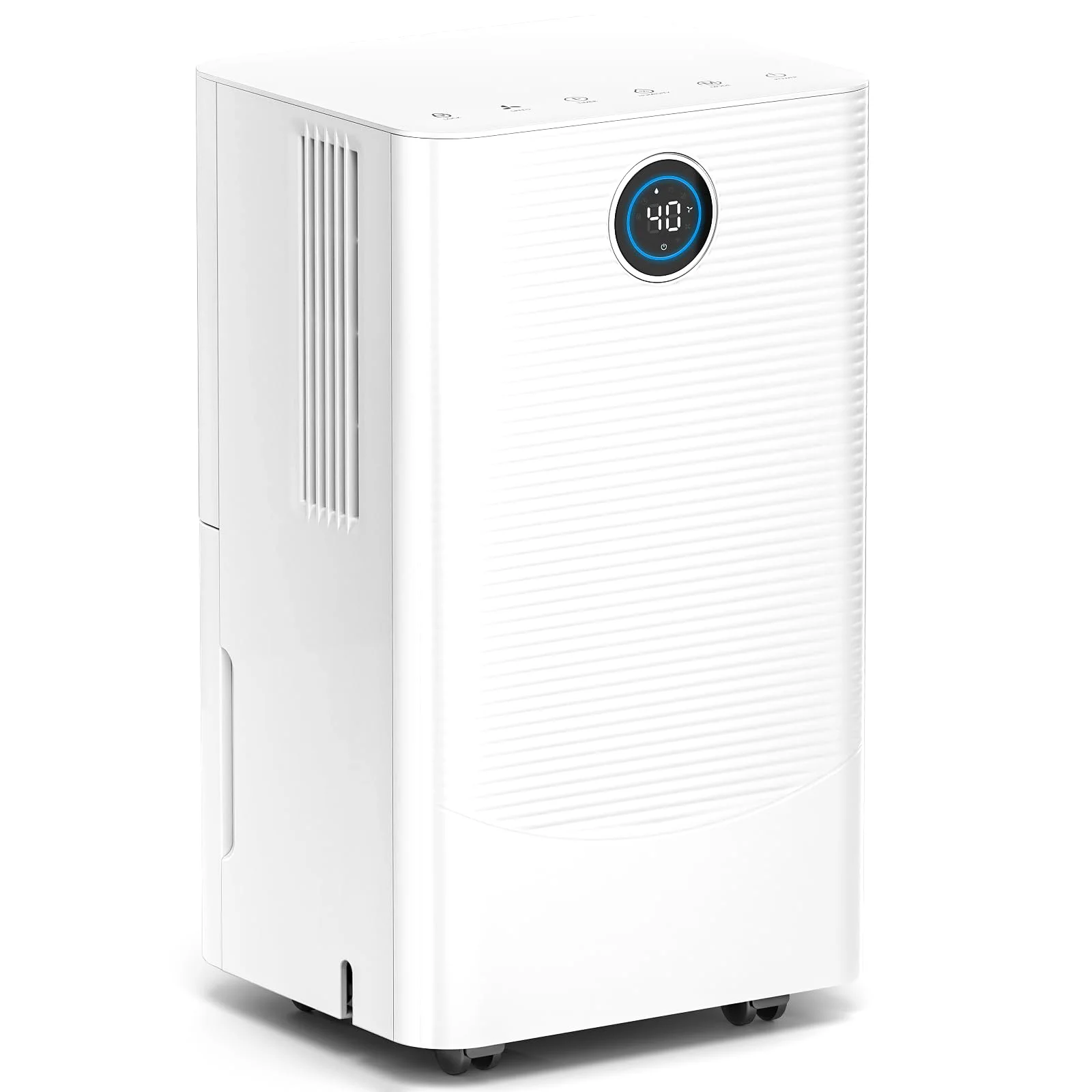
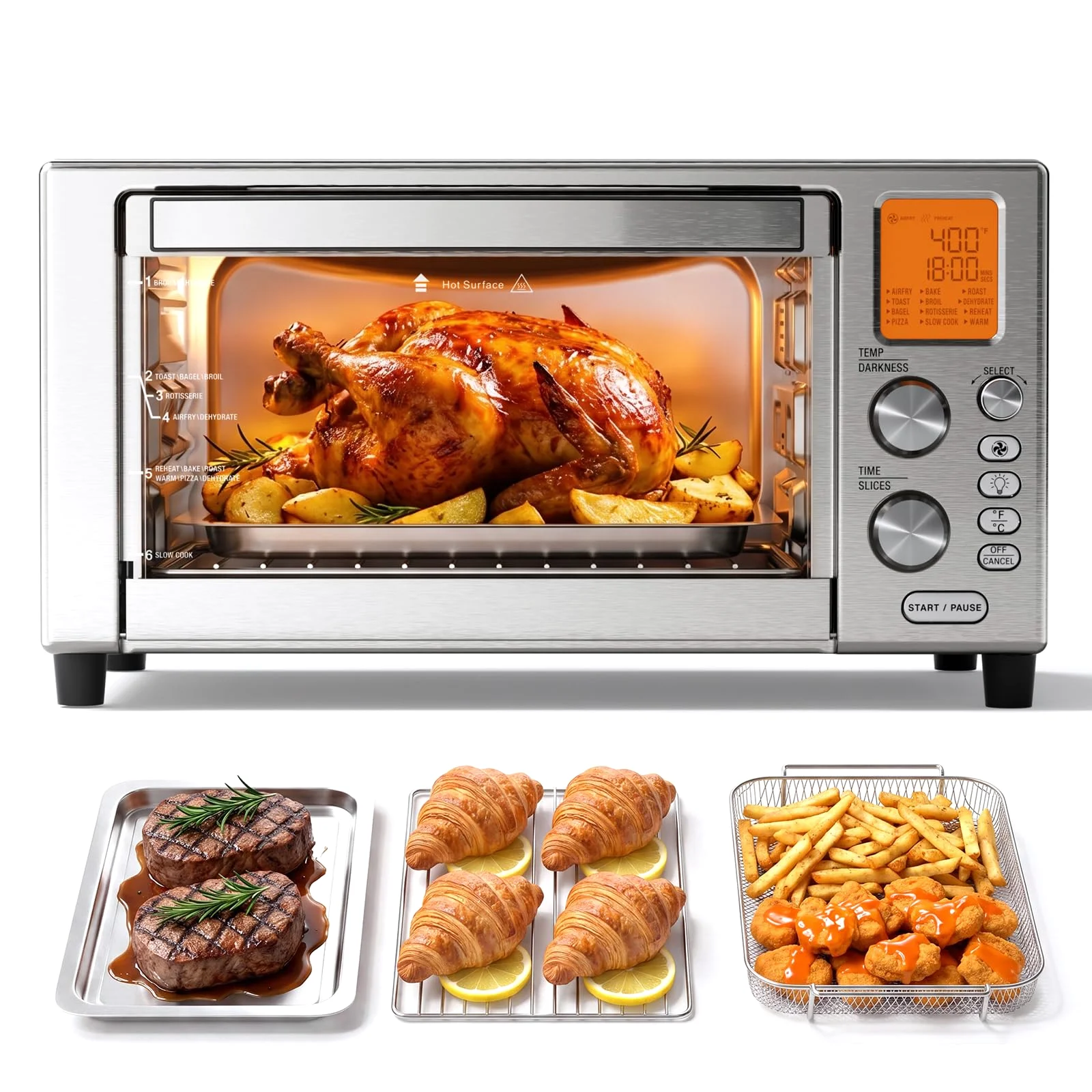
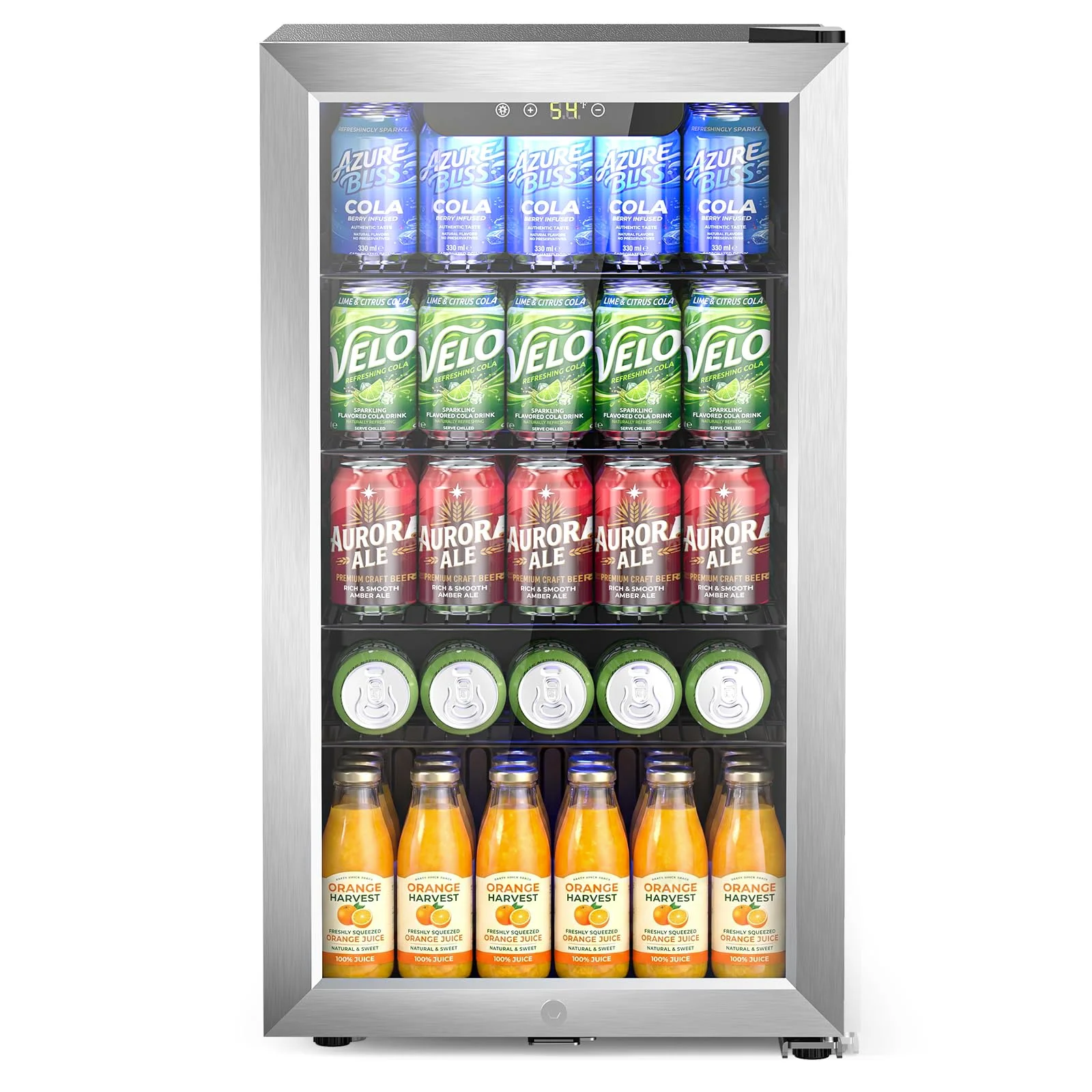
Glass-door coolers built for drinks rather than food, compact fridges with and without a freezer compartment, upright and chest freezers, and the four-litre boxes that live on a dressing table. Read them in cubic feet, in cans, or in bottles.
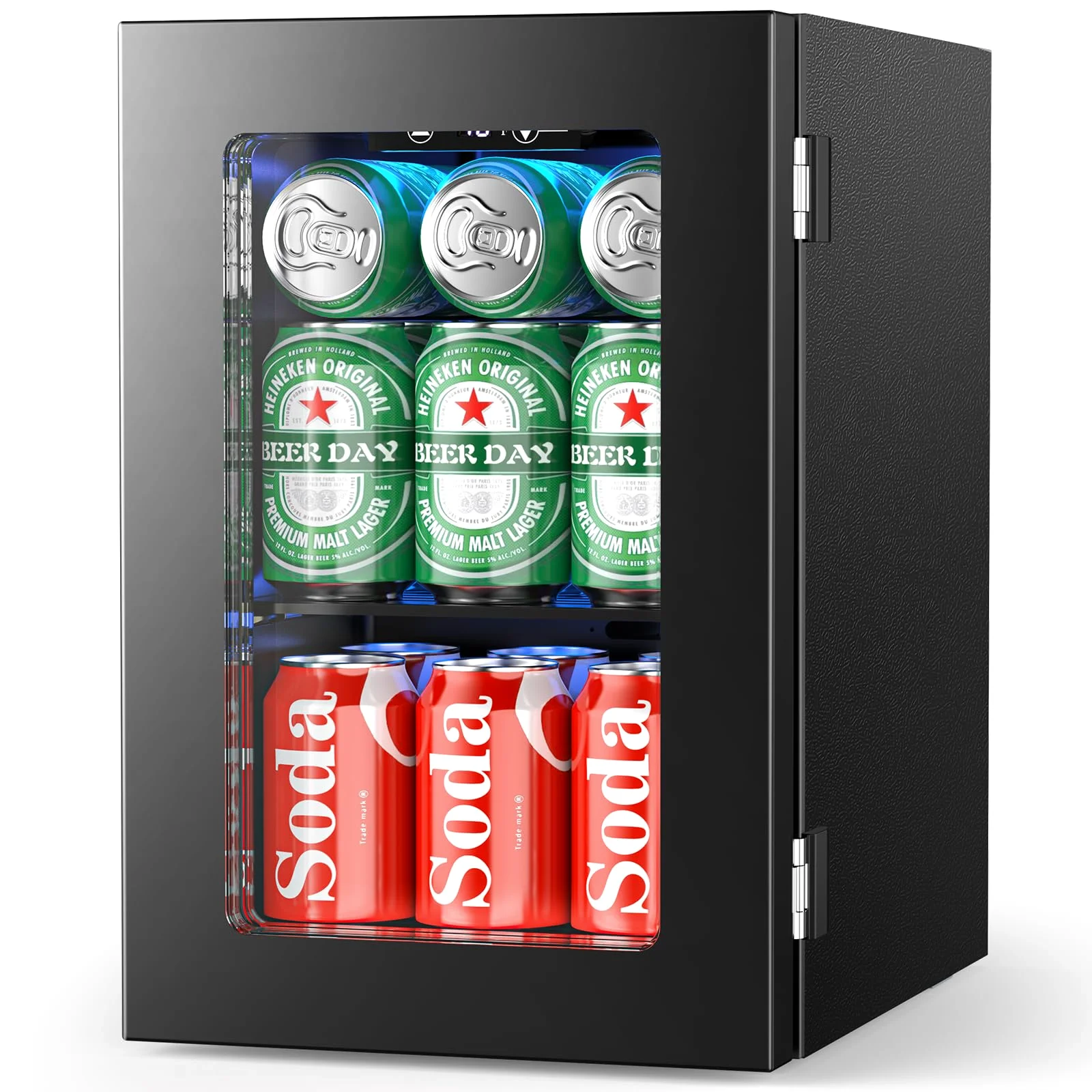
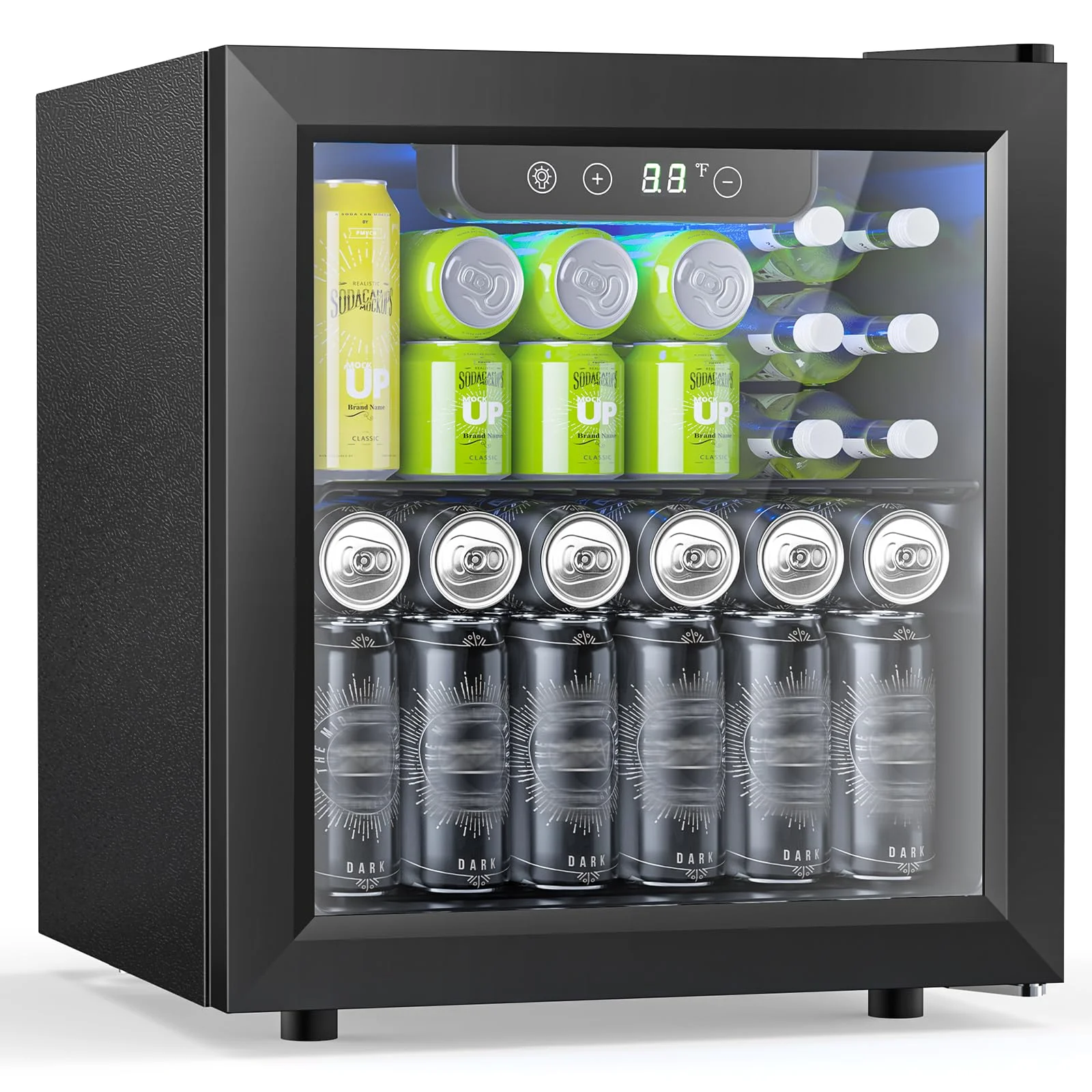
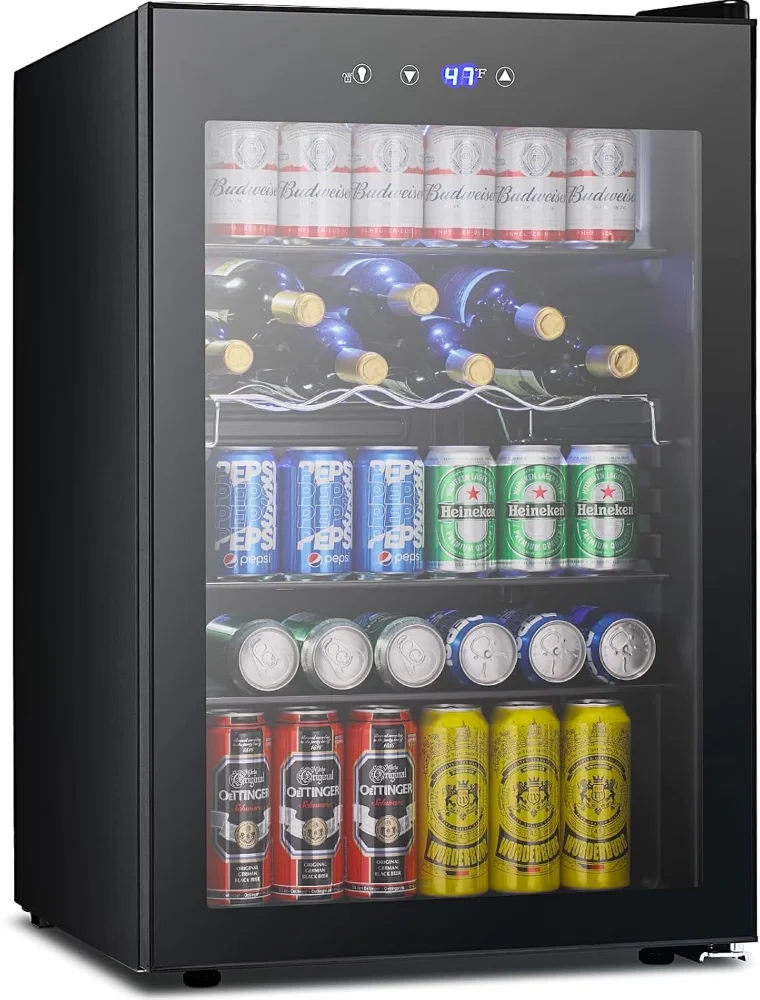
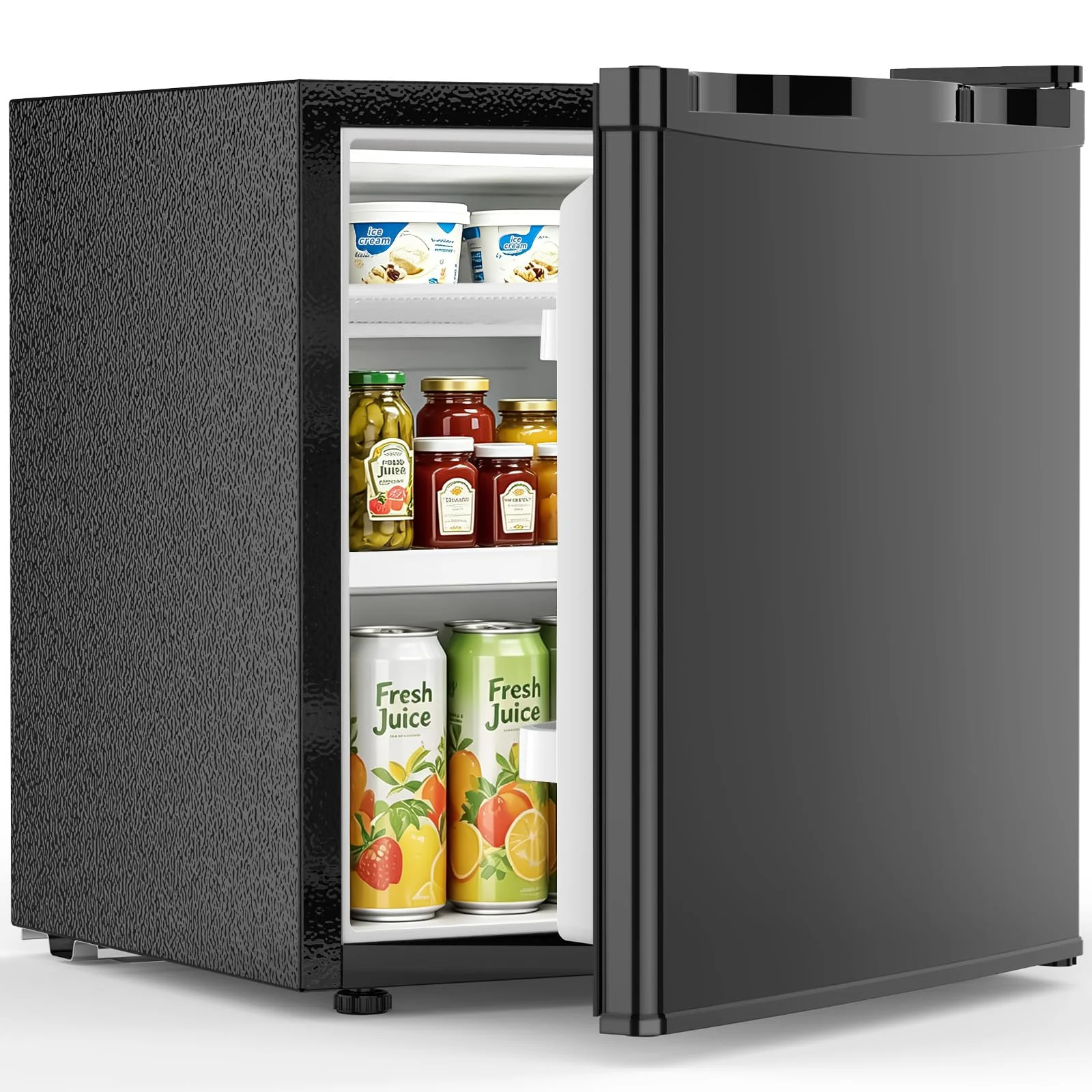
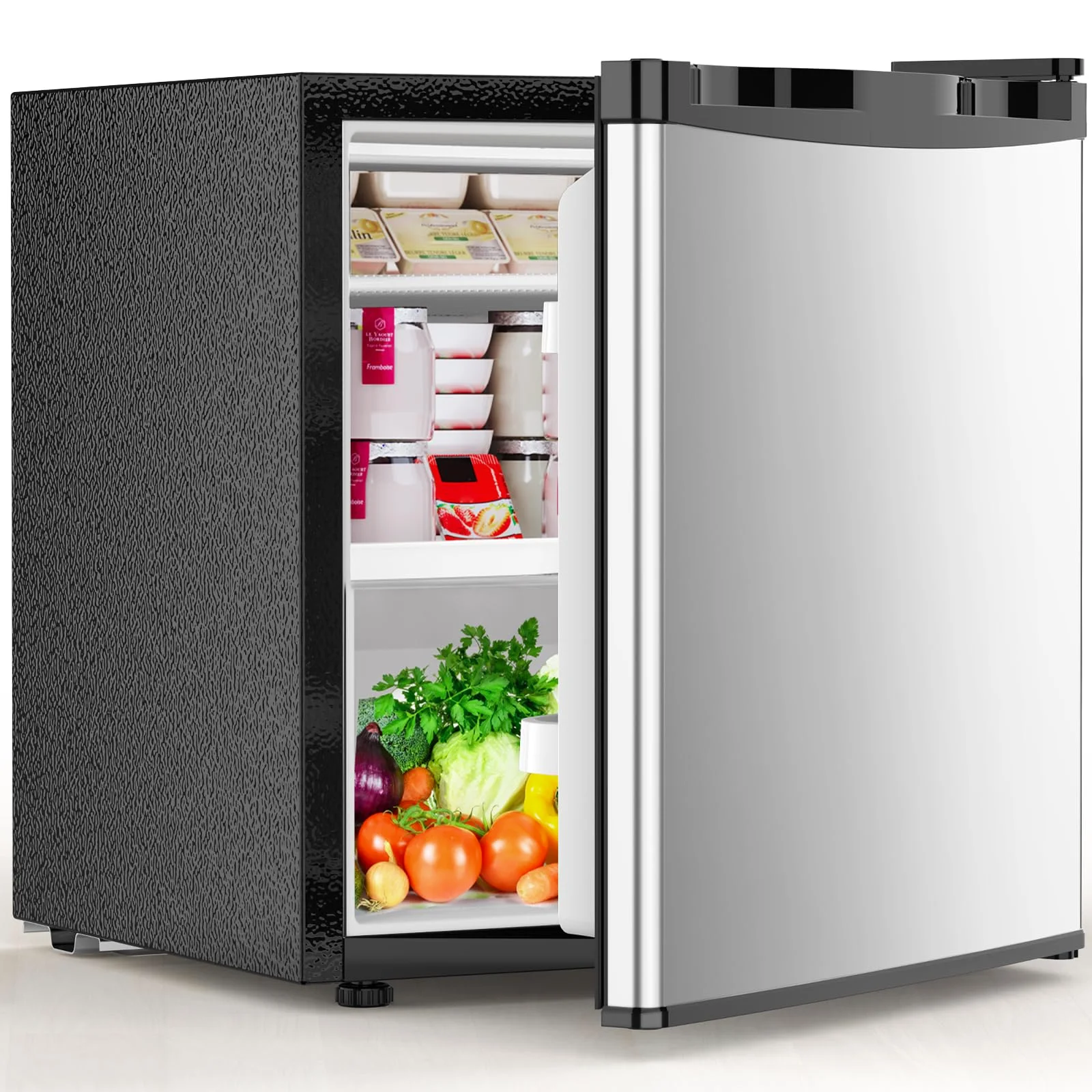
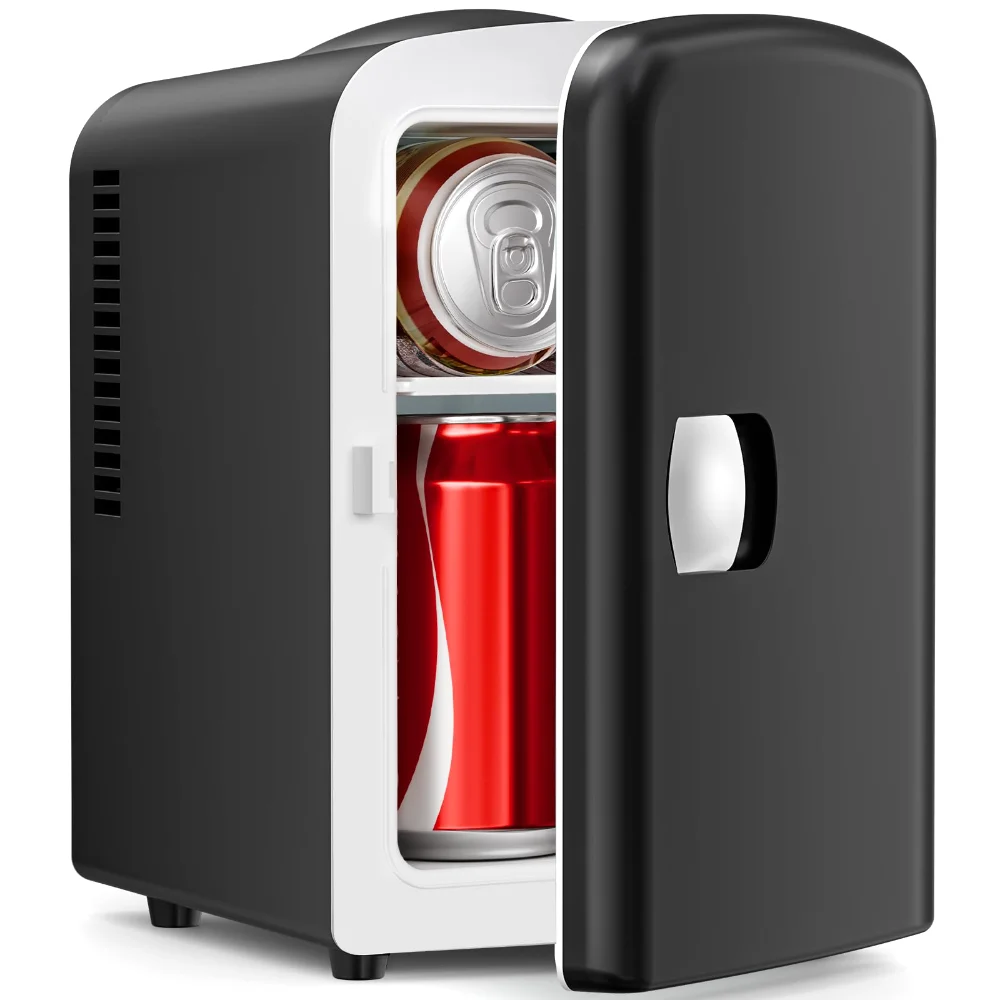
Almost every machine we build is the same four parts arranged differently: a compressor, a condenser, an expansion path and an evaporator. Once that platform works, the question stops being what can we build and becomes what should a household actually be able to buy.
The catalogue grew outward from the cold end. A countertop ice maker and a glass-door drinks cooler are the same refrigeration loop asked to do two different jobs, and once you have built both you have most of what a compact fridge, a beverage cooler and a small freezer need. Push the same loop harder and throw the heat out of a window instead of into the kitchen, and it is an air conditioner. Run it backwards and it is a heat pump.
The warm side arrived from the other direction and hit a hard ceiling straight away. A machine that plugs into a household socket has about 1,500 watts to work with, which is roughly 5,100 BTU an hour, and no amount of design gets round it. So the interesting questions there are not about power at all. They are about how the heat arrives, whether the flame can run without it, and what a fire pit outdoors can do with forty thousand BTU that nothing indoors is allowed to try.
What holds the two halves together is the habit of printing the number. Every card on this site carries the figure that describes the machine, in the unit its category is actually sold in, and no card rounds it in our favour.
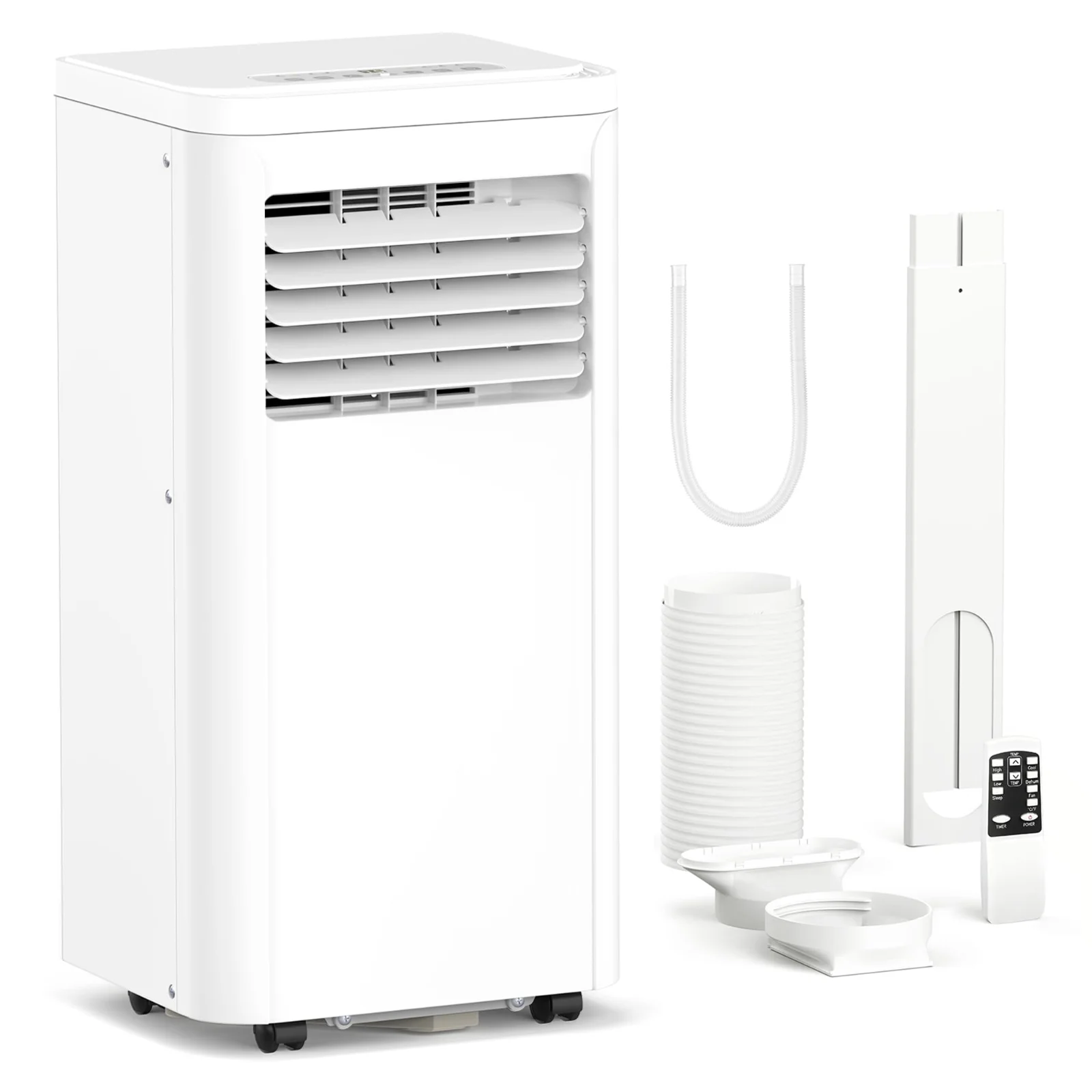
Three different problems that all feel like heat. A room that is genuinely hot wants BTU matched to its floor area. A room that is sticky wants water taken out of the air. A room that is stuffy wants the air moved, which costs a fraction of either.
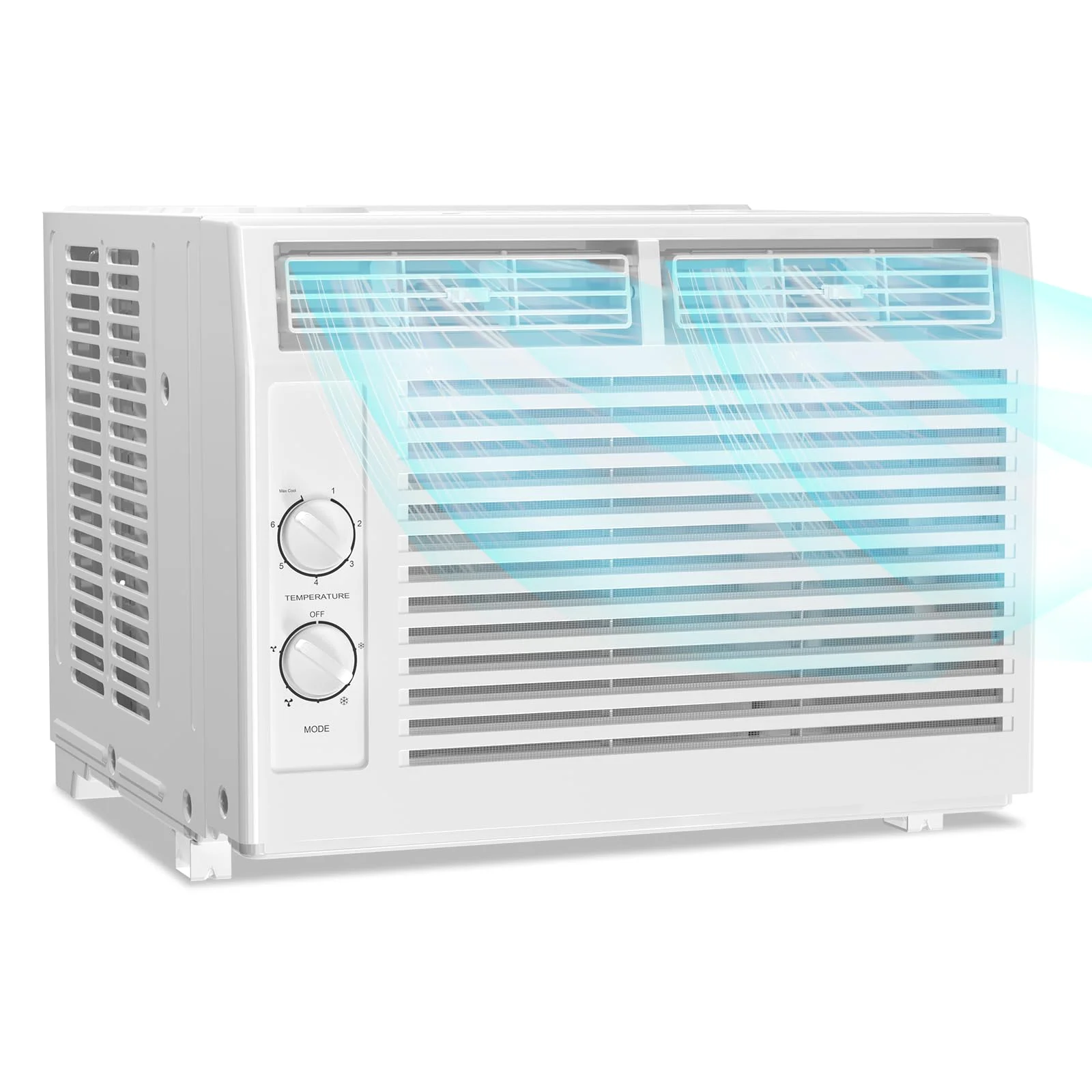
Sized to a room rather than to ambition: an oversized unit reaches the thermostat before it has taken the damp out of the air, which is the clammy feeling people cannot name.
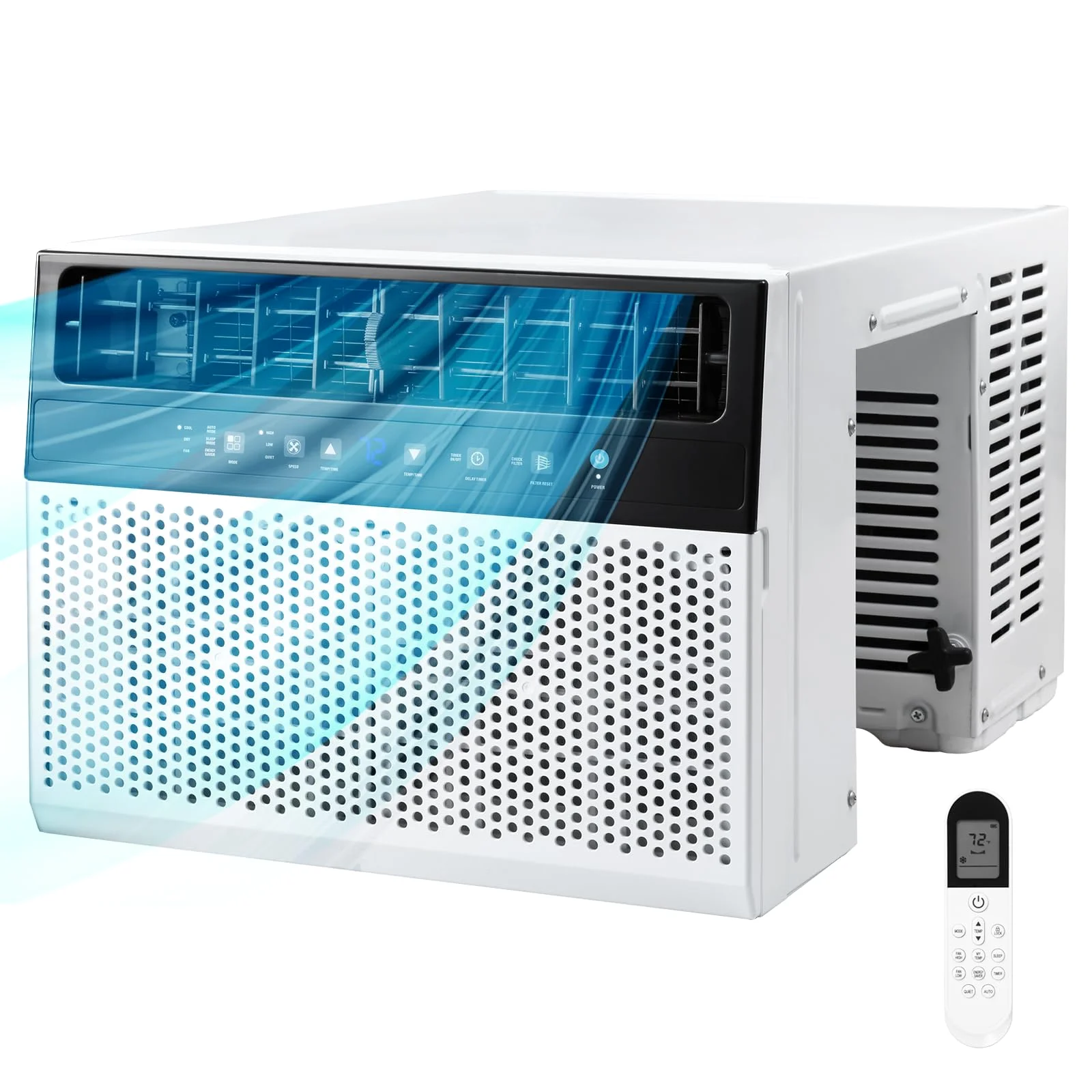
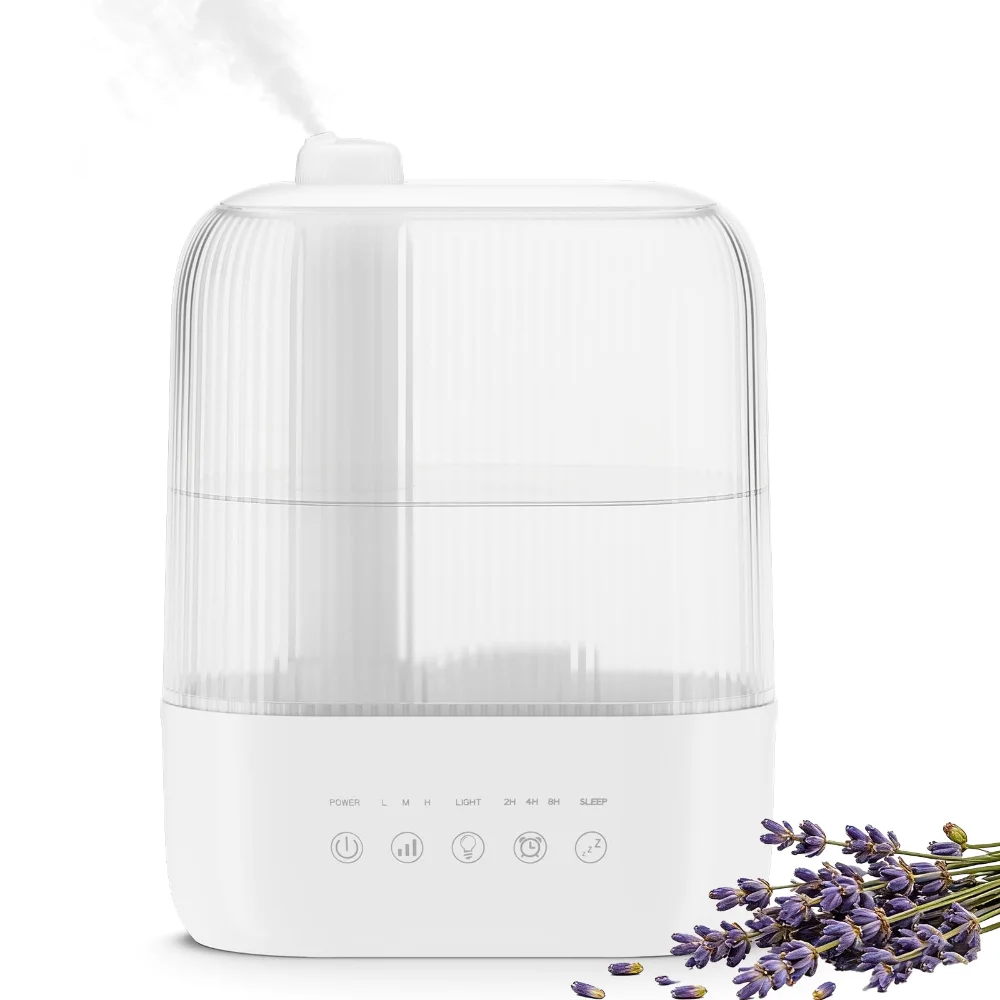
The parts a buyer can judge are the shell, the seal and whatever holds the water. Those three decide how a machine looks and works after five years, and nothing else on the spec sheet does.
Brushed stainless on the faces you touch, powder-coated steel on the wrap. Steel keeps a door seal square for years and a fingerprint wipes off it.
Reservoirs, ice baskets, scoops and augers are food-contact plastics, chosen to survive several hundred self-clean cycles without going brittle.
Cooler and wine cabinet doors are double-glazed tempered glass, so a warm kitchen does not fog the shelf you are trying to look at.
Grill grates are enamelled cast iron. Enamel is the difference between a grate that lasts and one that rusts through a single season outdoors.
A change to a shell, a seal, a control board or a fan blade is not a small thing on a machine expected to run for years. A rated output gets measured against its claim under the standard conditions the rating assumes, and again in a deliberately warm room, because that is where a household actually keeps its ice maker. Cold machines are run continuously for days, because a door seal and a fan bearing fail slowly rather than suddenly. Noise is measured on the lowest setting as well as the highest, since a bedroom fan is judged at two in the morning.
The full account of the materials, the loop and the checks is on the inside the machines page, and it is where the marks in the next section are set out in a table.
Nobody chooses between an ice maker and nothing. They choose between an ice maker and a bag from the shop, between a saddle unit and a portable, between an electric fireplace and a builder. These are the comparisons that actually get made.
| What people weigh us against | The alternative | What it costs | What ours does |
|---|---|---|---|
| Bagged ice from the shop | Buying 10 lb bags as needed | Repeats every week, and half of it welds into a block by the evening | A countertop machine from $58.23 makes ice on demand and never runs to the shop |
| A built-in ice maker | Plumbed under a counter by a fitter | A water line, a cabinet cut and a fitting bill | Undercounter machines at 80 and 100 lbs a day that stand freely and fill from a jug |
| A specialist nugget machine | A single-purpose brand at the premium end | Usually two to three times the price of a bullet machine | The same chewable pellet ice, from $149.11, in three sizes |
| A fitted air conditioning system | Ducted cooling installed through the house | A multi-day install and a permanent change to the building | Window, saddle, portable and wall-split units from 5,000 to 18,000 BTU |
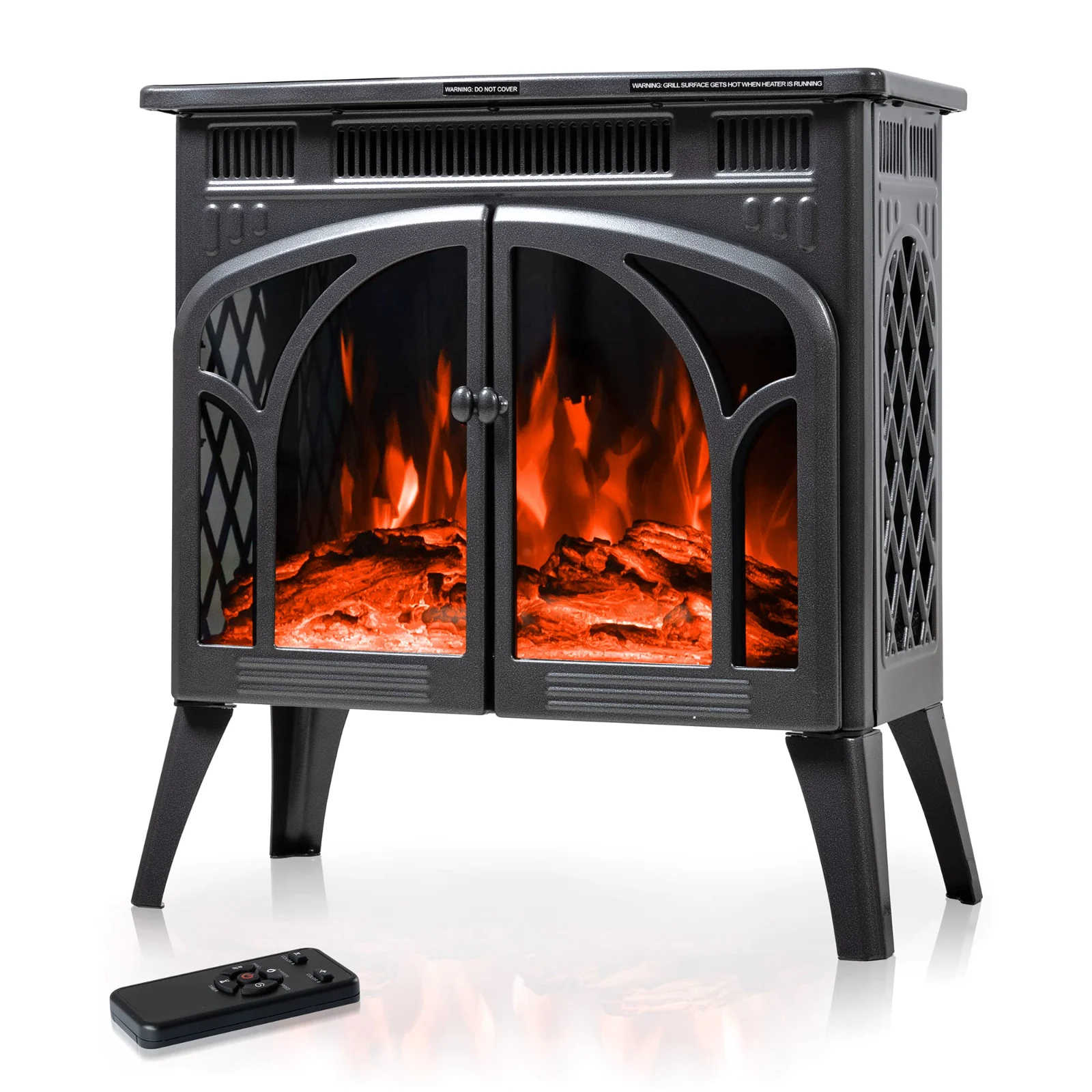
| A built fireplace | A flue, a hearth and a builder | Weeks of work, and heat you cannot switch off in October | Electric fireplaces where the flame runs with the heater off |
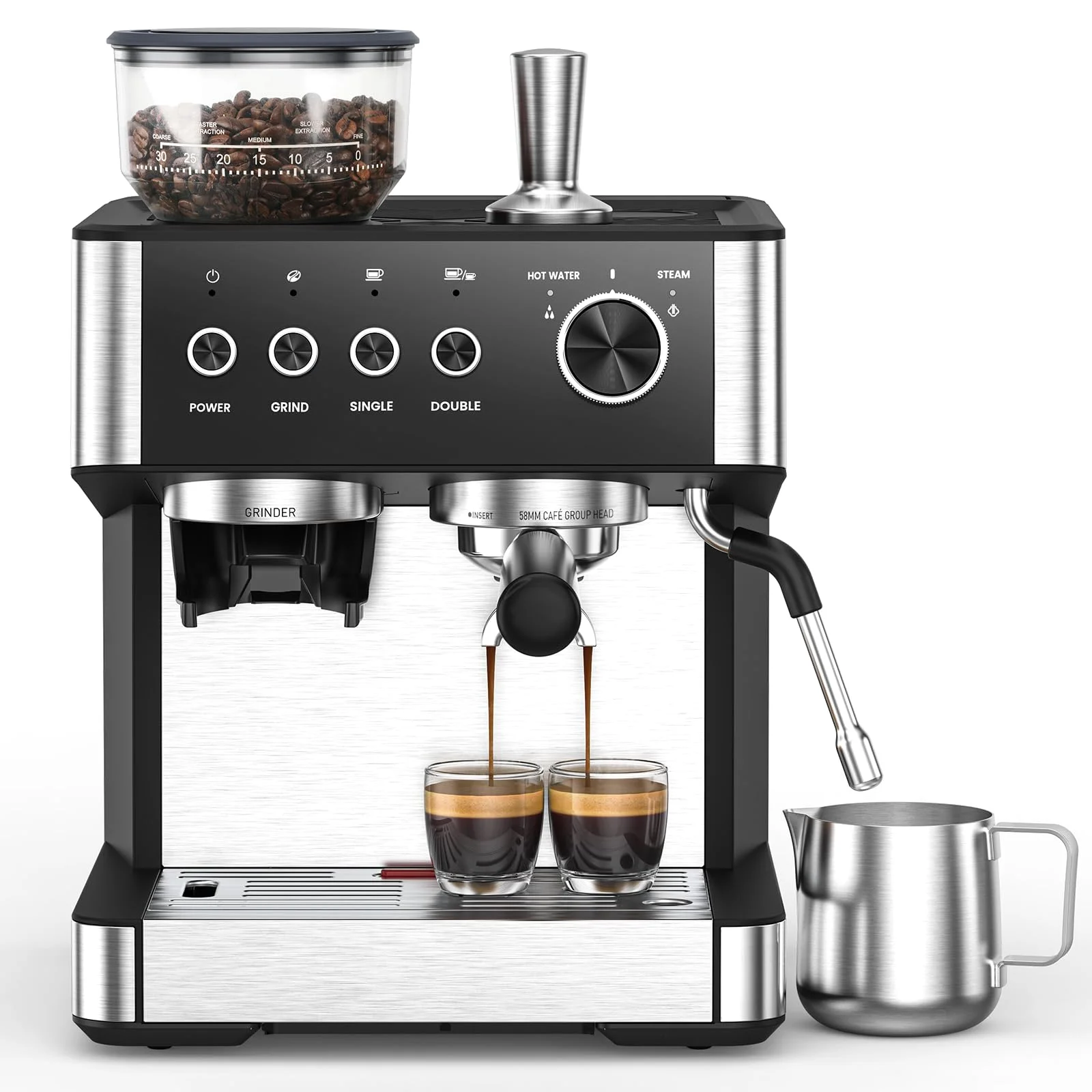
| A brand-name espresso machine | A pump machine plus a separate grinder | Two machines, two footprints, two prices | Fifteen and twenty bar machines with the burr grinder built in, from $199.97 |
Prices are the lowest we currently list in each class and come from our last update. What a rival charges is theirs to publish rather than ours, so what is set against what here is the approach, not the price tag.
The other half of the catalogue. Espresso machines read in bar, countertop kitchen machines in litres and watts, fireplaces and heaters in watts, grills and fire pits in BTU. The ceiling indoors is 1,500 watts, and outdoors it is whatever the regulator allows.
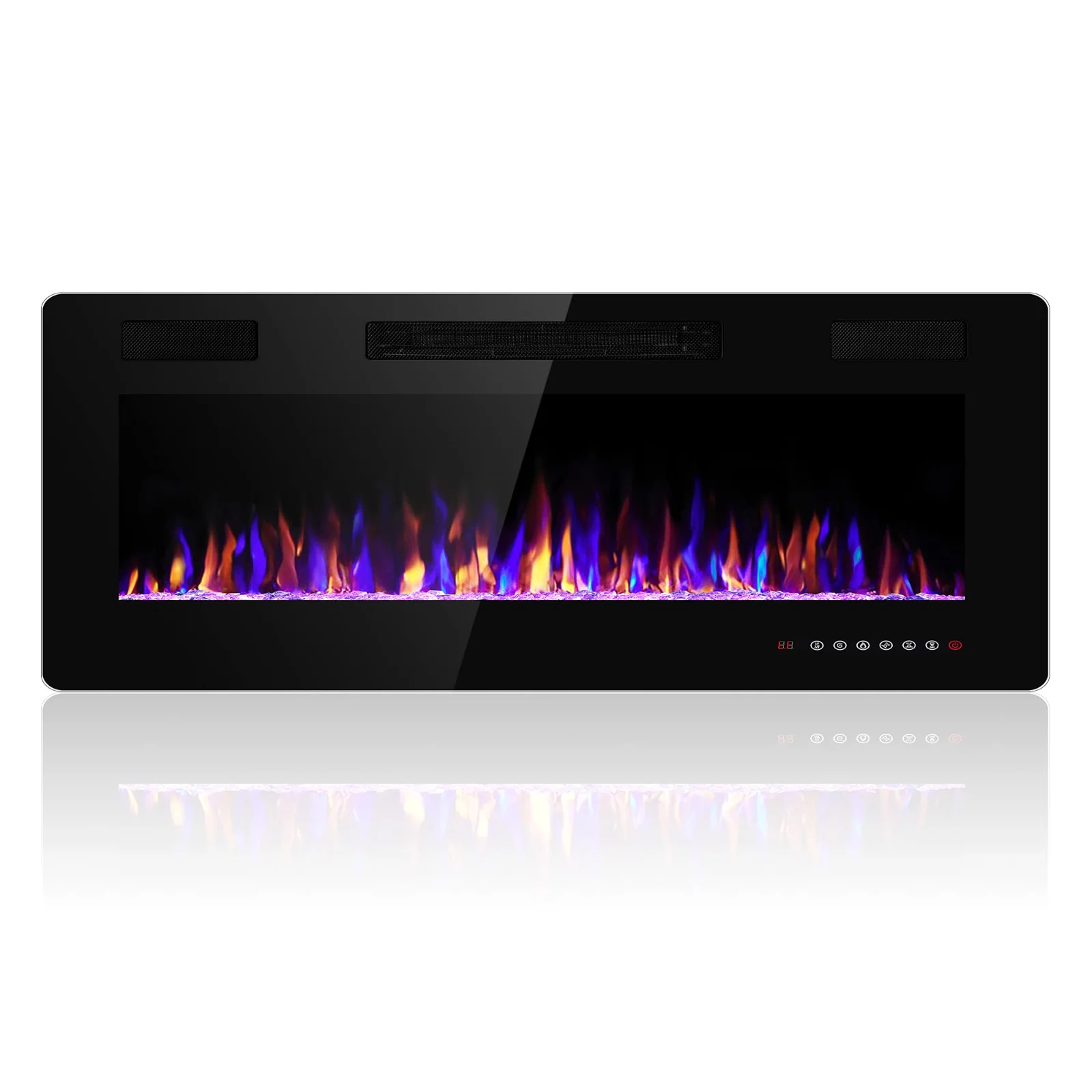
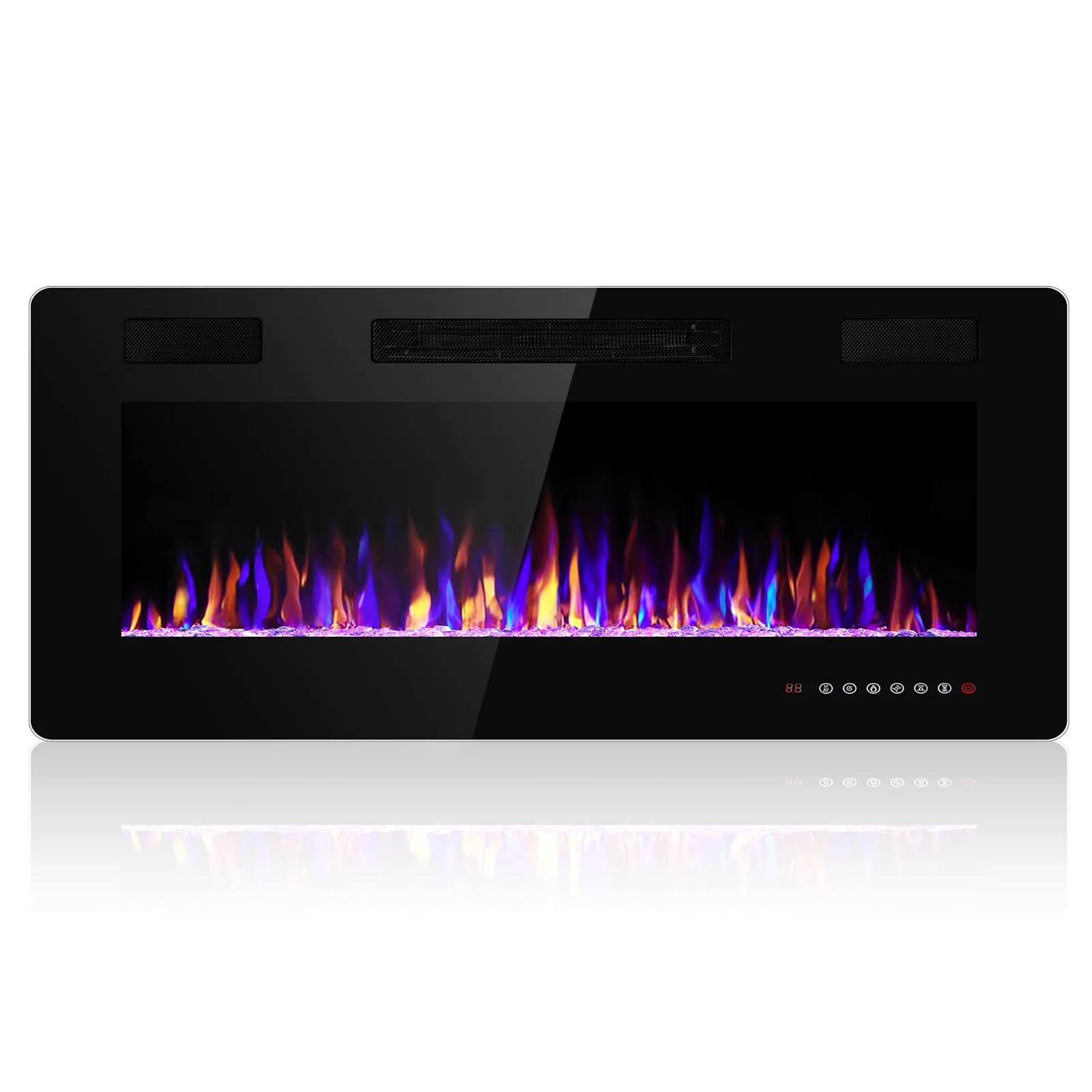
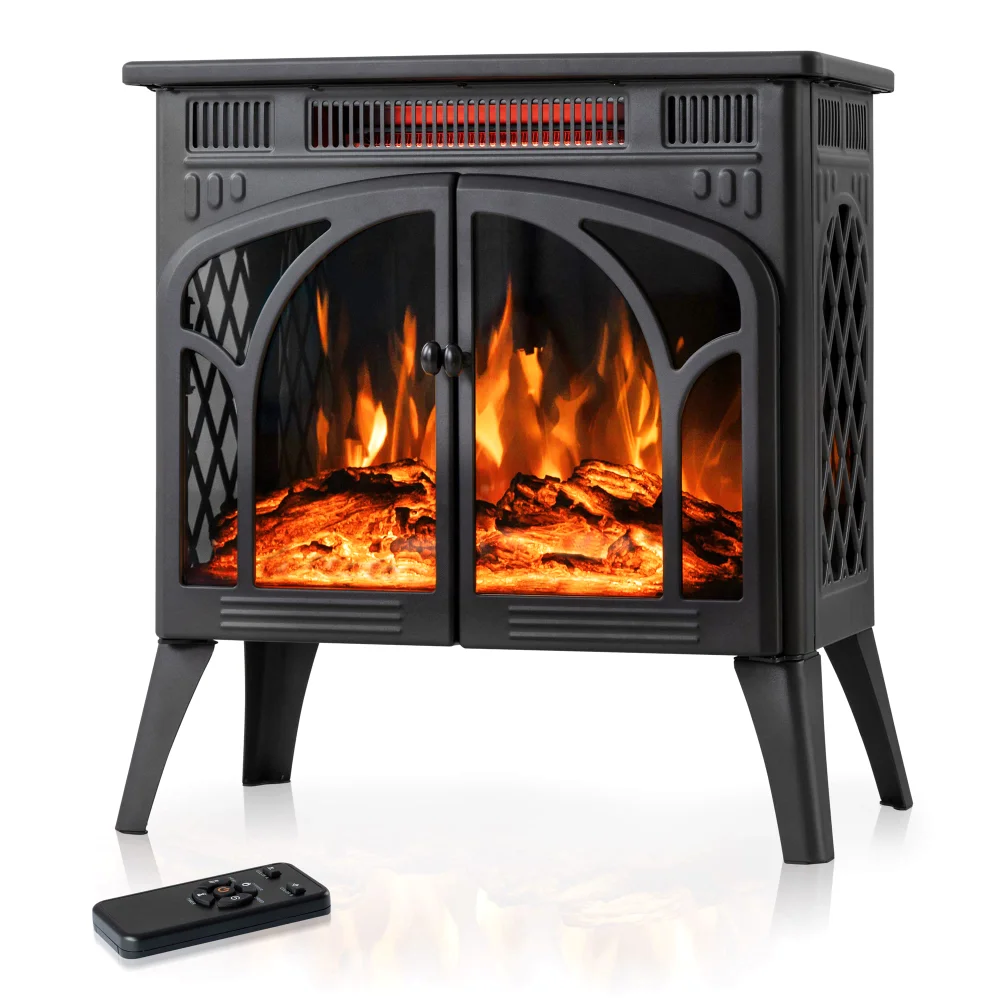
None of these marks are ours. They belong to the bodies that issue them, and each one covers a class of machine rather than a brand. The marks that apply to any particular unit are printed on its rating plate and repeated in its manual, which is the only place worth reading them.
| Mark | What it covers | Where it applies |
|---|---|---|
| ETL / UL listing | Electrical safety against the North American standard for the product class | Any household machine sold with a plug on it |
| CSA certification | Gas appliance safety: burner assemblies, hoses and regulators | Propane appliances, including grills and fire pits |
| FCC Part 15 | Radio interference limits for anything with electronic control | Digital panels, remote controls, wireless parts |
| ENERGY STAR | Voluntary efficiency criteria, verified by a third party | Models submitted and qualified in the class |
| DOE minimum efficiency | Federal energy performance floor, mandatory rather than optional | Refrigerators, freezers, room air conditioners, dehumidifiers |
A mark covers the machine as it left the factory. The wiring, the socket and the installation are outside every one of them. A fitted machine still wants a competent fitter.
Everything here about fire, carbon monoxide, damp and food temperature is general safety information taken from the national bodies named beside it, not an inspection of your home, your wiring or your window. Where a manual and a page disagree, follow the manual.
ELECTACTIC is a maker of compact household machines, and the catalogue is unusual in one specific way: it runs from a chest freezer that holds minus forty degrees Fahrenheit to a fire pit that burns fifty thousand BTU an hour. Most brands pick one end of that scale. We think the two ends are the same problem read in opposite directions, and building both has made us better at each.
The cold side came first, and it came from the compressor. A sealed refrigeration loop is four parts, and once a company can build one that runs quietly for years it can build an ice maker, a glass-door drinks cooler, a compact fridge, an upright freezer and a room air conditioner without starting over. What separates those machines is not the loop. It is the door seal, the insulation thickness, the defrost strategy and the noise the fan makes at three in the morning, and those are the details we spend our time on.
The warm side is a different discipline because it has a hard ceiling. Anything that plugs into a household socket has about 1,500 watts, and 1,500 watts is 5,100 BTU an hour no matter whose badge is on the front. There is no clever engineering that beats it. So the design questions become about delivery: whether the heat arrives by convection, by a fan or as infrared radiation, and whether the flame effect in a fireplace can be run on its own in October when the room wants to look warm and does not need to be.
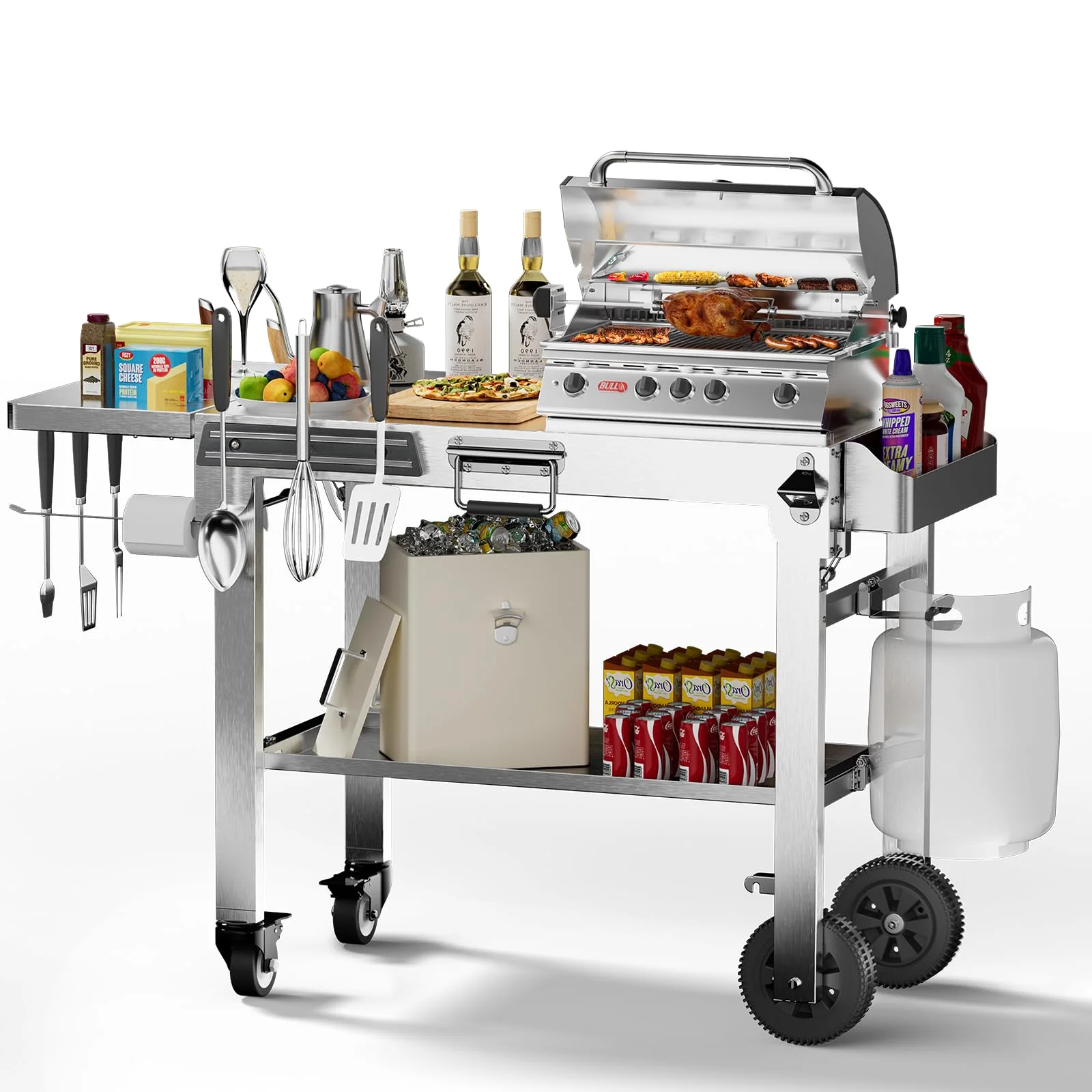
Outdoors the ceiling lifts and the arithmetic changes completely. A propane fire pit runs at forty thousand BTU because outdoors there is no room to heat and all you can do is throw radiant warmth at the people sitting around it. A four burner grill runs at a similar figure spread across a grate, and the number that decides how it cooks is the heat per square inch rather than the total, so both figures go on the card.
Running through both halves is one habit. Every machine is sold on a number, and the number goes on the card in the unit its category is actually sold in. Pounds of ice a day. Cans held. Cubic feet. BTU. Bar. Feet per second. Pints a day. Where a machine is sold on two figures at once, both appear. Where a pool of owner ratings is too small to mean anything, the stars come off rather than stand for something the pool cannot support.
The habit has a cost, and it is worth naming. A rating printed honestly shows you when a machine is more than you need, and the guidance across ELECTACTIC appliances lands more than once on a smaller and cheaper machine than the one a reader arrived looking at. That is better than selling somebody an eighty pound a day ice machine for a kitchen that uses six.
The last thing worth saying is what a machine is judged on here. Not the badge and not the price, but whether the figure on the box survives contact with a warm kitchen, a sealed window and a second summer. That is what the journal pieces are for, and it is why the safety numbers in them are quoted from the bodies that publish them rather than paraphrased.
| Read in | Shelf | In stock |
|---|---|---|
| lbs / 24h | Ice Makers | 27 |
| cans held | Beverage & Wine Coolers | 12 |
| cu ft | Fridges & Freezers | 29 |
| BTU | Air Conditioners | 16 |
| ft / s | Fans | 9 |
| sq ft | Dehumidifiers & Purifiers | 8 |
| bar | Espresso & Coffee | 15 |
| watts | Countertop Kitchen | 10 |
| watts | Heaters & Fireplaces | 12 |
| BTU | Grills & Fire Pits | 9 |
Ten shelves, ten units. The unit is the shelf: a machine that cannot be described by its number does not have a home here.
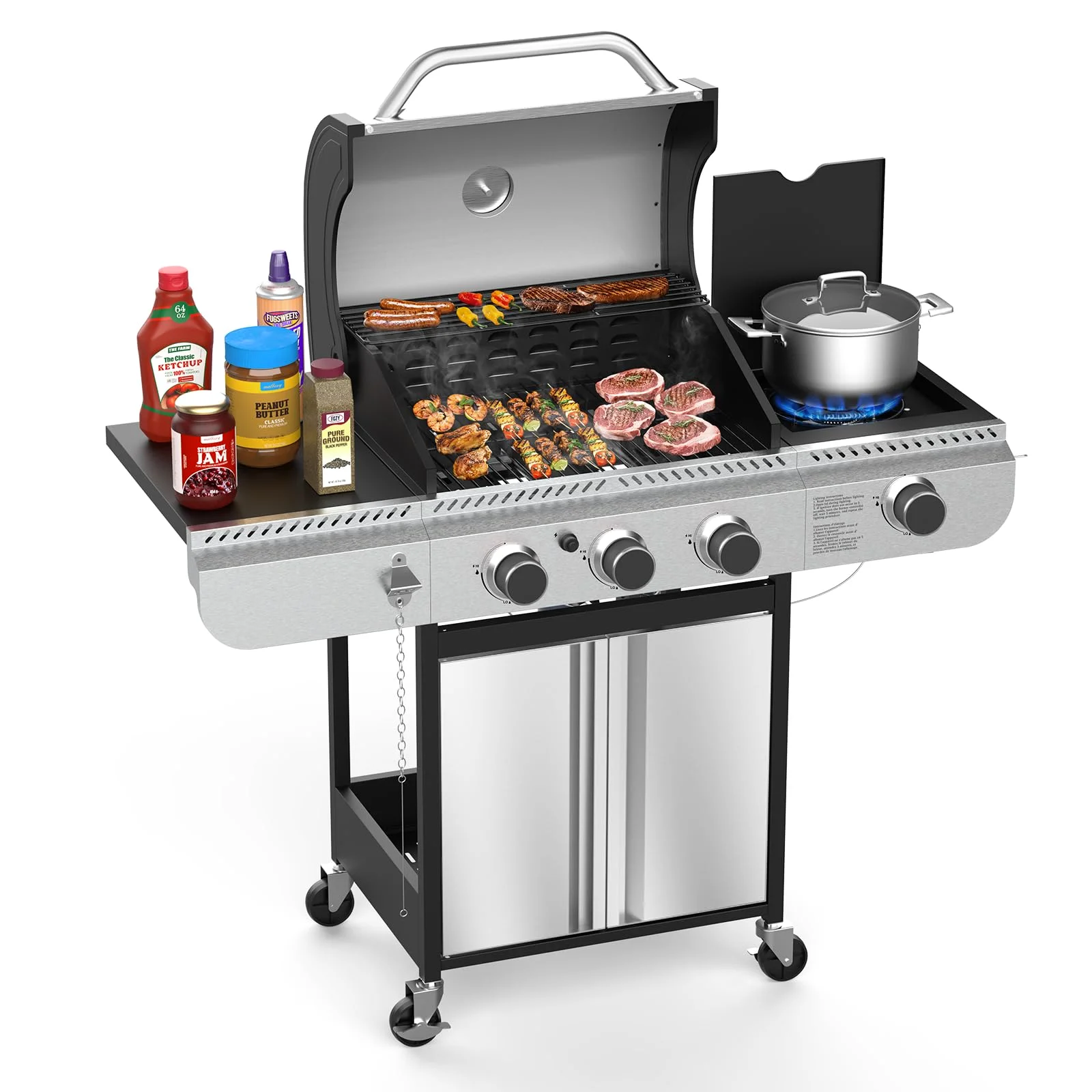
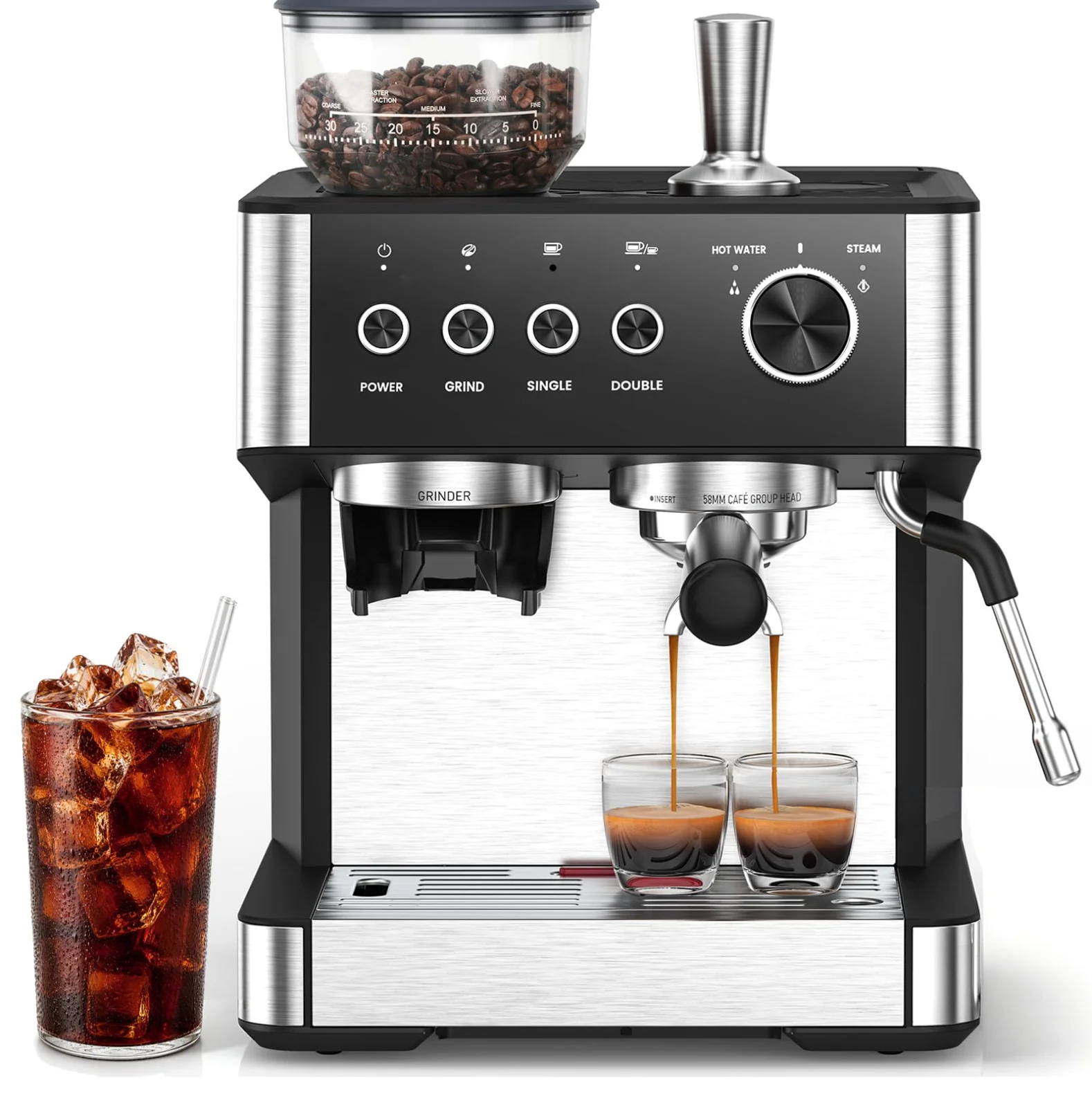
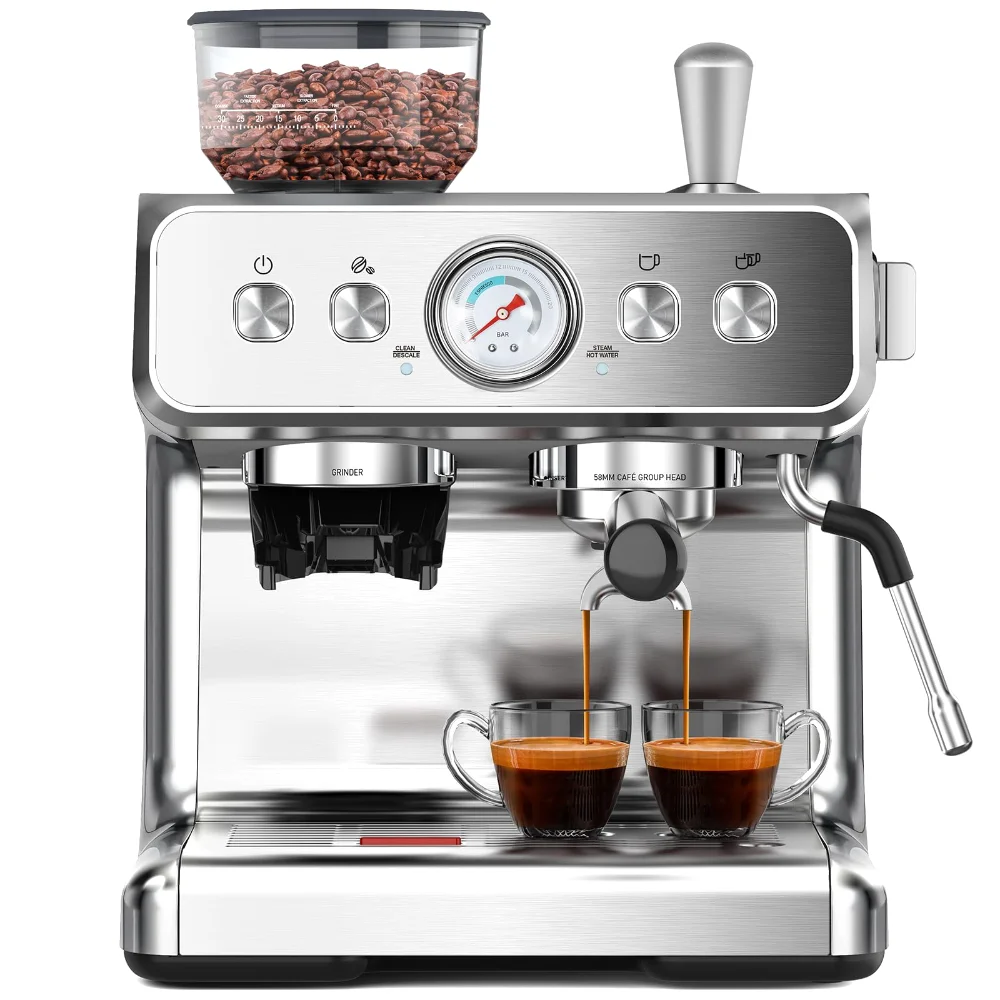
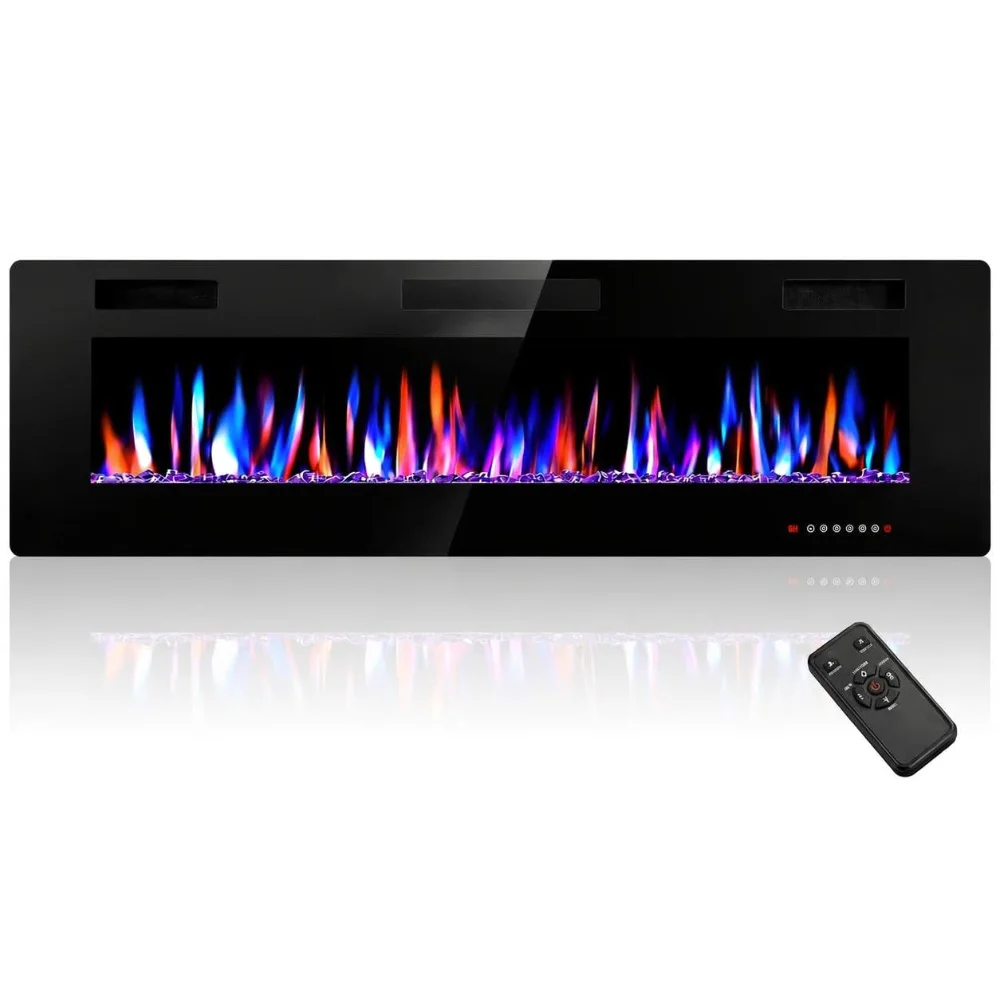
Not the most expensive and not the newest. These are the four machines in the catalogue that the largest number of people have actually bought and rated, counting each pool of ratings once.

A basket that kept up all afternoon, a bedroom quiet enough to sleep through, a fire pit put together by someone in their eighties from the instructions alone. Owners in their own words, four stars included.
The Little Ice Maker Is Still Going Strong; Makes Good Ice
We are ice crunchers; all 3 of us in our household. My Mother-In-Law loves ice and so do I, so we were purchasing a ton of bagged ice from the local convenient store. This can really add up!
Love It!
This ice maker has been absolutely fantastic! It has two sizes of cubes. Fits neatly on the counter next to the fridge where we get our drinks. It has been used consistently for six months with no issues.
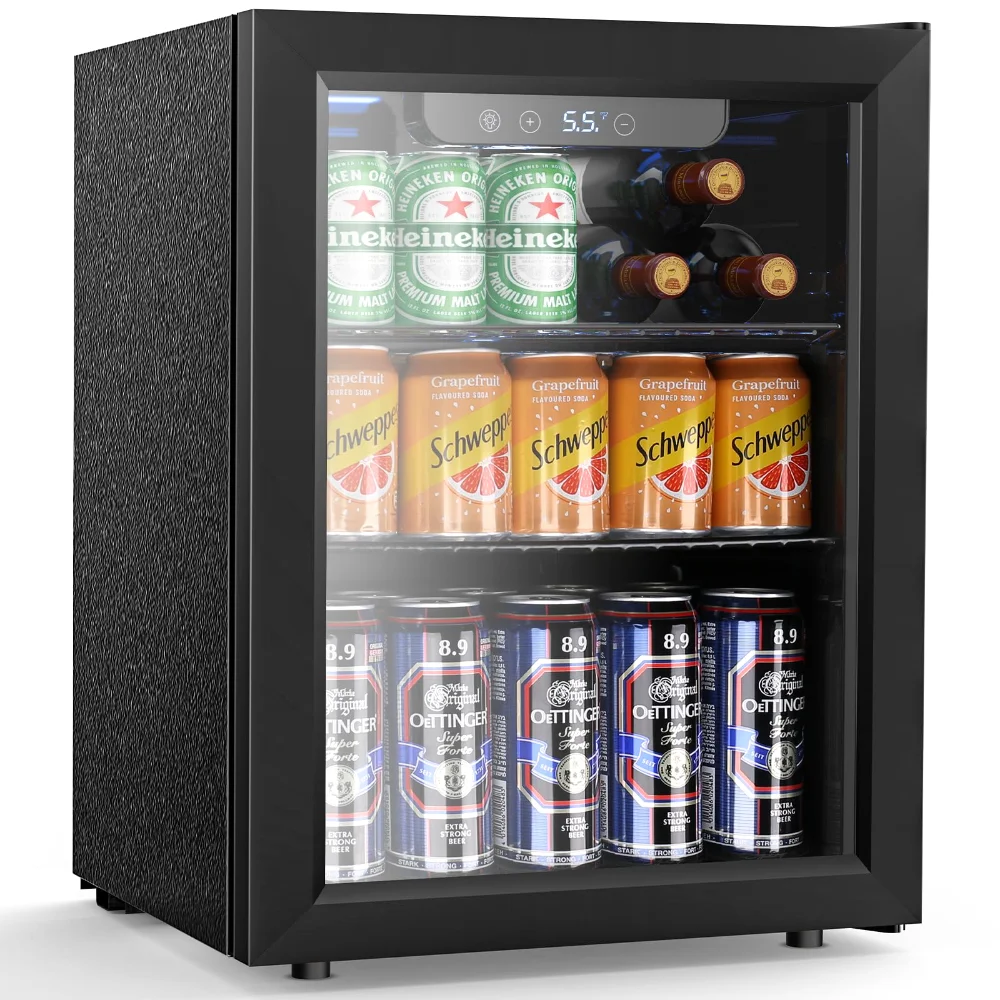
Tiny fridge that fits my night shift life
This little fridge lives in my bedroom so I dont wake everyone up after 12 hour shifts. I cram energy drinks and yogurt in there and the cans get nice and cold. The light inside is a bit dim though and it hums more than I hoped. Still does its job.
Great!
Nice little mini fridge! I keep mine in my room and its quiet enough that it doesn't bother my sleep at all.
Great Unit
Unit runs strong and is very efficient. It appears to much offer much more cooling capacity than my older mini split. The saddle configuration means it takes a very little window space. Overall, a very good buy.
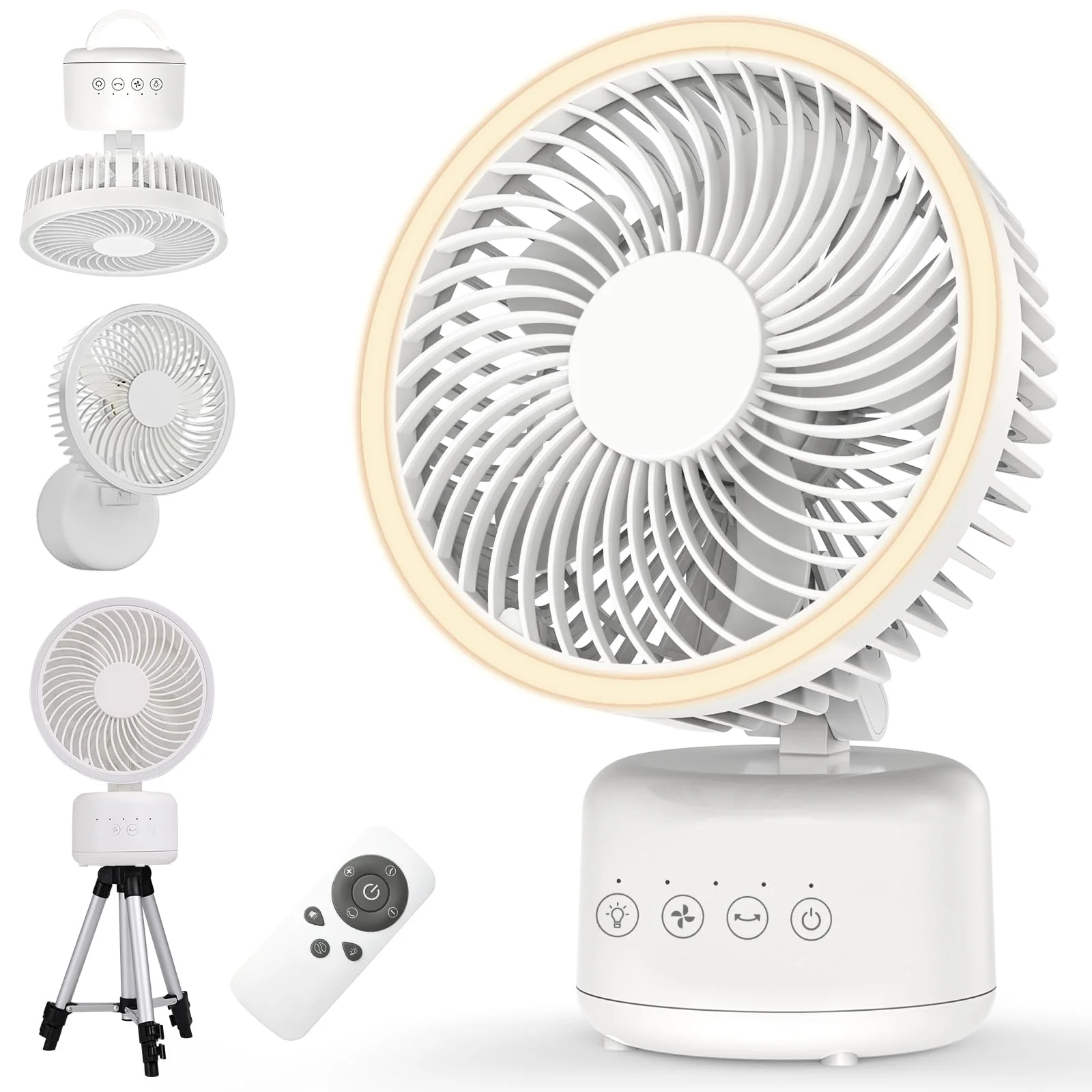
Nice airflow, easy to use, lightweight oscillating tower fan
Nice looking, slim size and good quality with a good price (I got mine on sale). Oscillation flows nicely. For customers who'd like a quiet level, level 1-3 is great – any higher and it isn't as quiet.
Looks good works well installs easily
Looks good. Easy install. Heats appropriately. Don’t have unrealistic expectations… it’s a space heater. My only concern is its slightly louder than I had hoped though not so loud I don’t use it.
Attractive and modern
I am 82 years old and I could put it together following the directions, easily. I like that it comes with a cover as that will definitely keep it looking nice longer. . I turned it on and used it and it was total enjoyment.
5 stars so far!
I haven't made much in this yet, but I made a big batch homemade from scratch brownie recipe, which is a thick heavy batter and it worked perfectly. As with any recipe I mix ingredients a couple at a time as I was taught growing up.
Prices move, and ours follow on a schedule. The figure on the card is what we put in at our last update. The till at the end of the buy button is always the one that counts.
A household of four gets through six to eight pounds of ice a day. A 350 square foot room wants about 8,000 BTU. Anything that plugs into a wall stops at 1,500 watts, whoever built it. Those three numbers decide most of what a household ends up buying.
Bullet, nugget, clear cube, sphere, crescent: five kinds of ice, five different machines, and the output rating a kitchen is actually asking for.
11 min read14 September 2026Window, saddle, portable or split, and how many BTU a room really needs. Why an oversized unit leaves a room clammy, when a fan is enough, and when the problem is damp rather than heat.
12 min read14 September 2026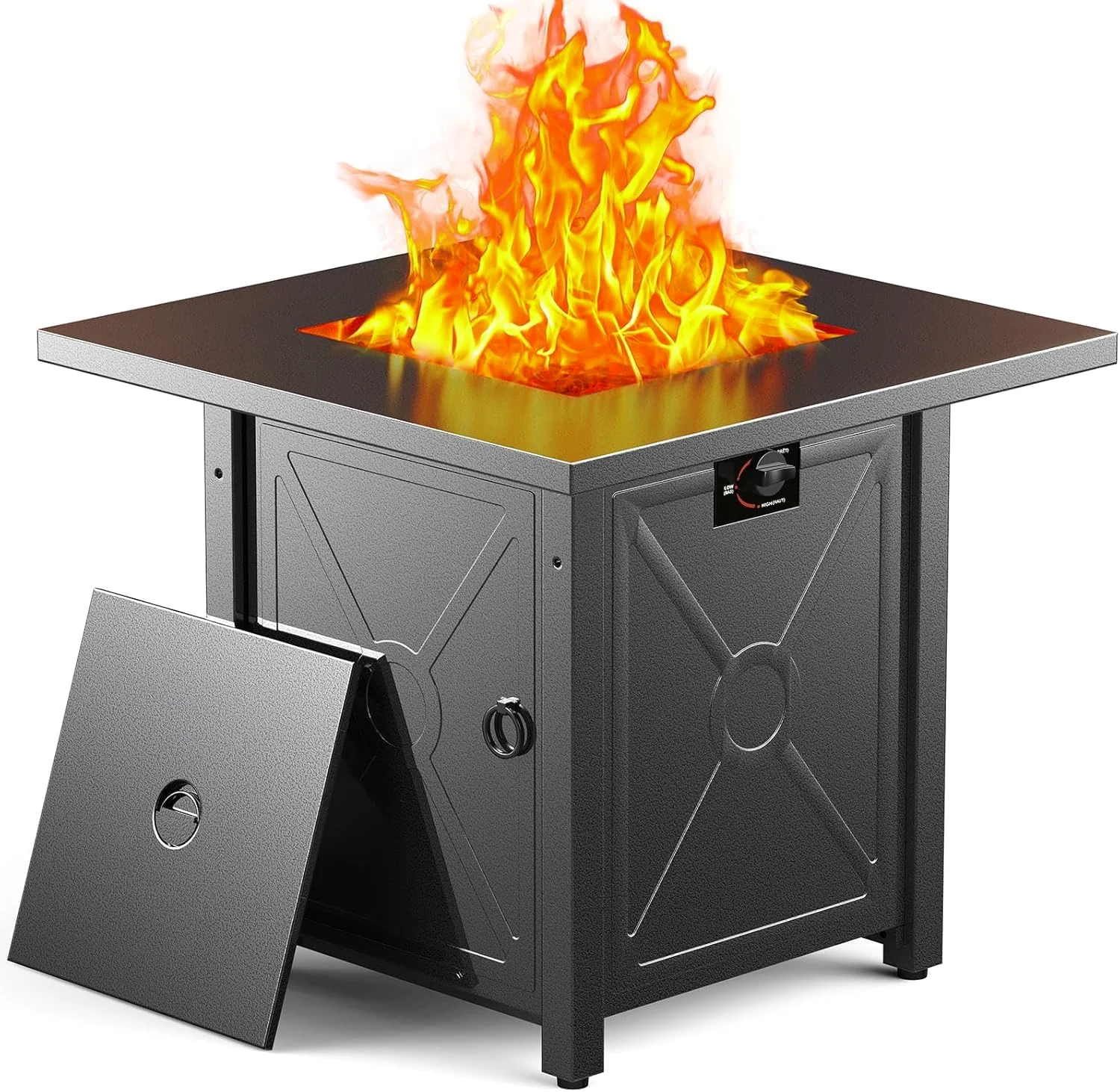
What a watt buys indoors, what a BTU buys outdoors, why the 1,500 watt ceiling exists, and the safety numbers behind every machine on the warm half of the range.
13 min read14 September 2026The journal works through the numbers a buyer actually needs: how much ice a household of four gets through in a day, how many BTU a 350 square foot room wants, and what a watt buys indoors against what a BTU buys on a patio.
If you would rather just look at the machines, the ten shelves are all one click from the scale, and each card carries the capacity, the finish, the pooled rating and the price.